Lotto Craft
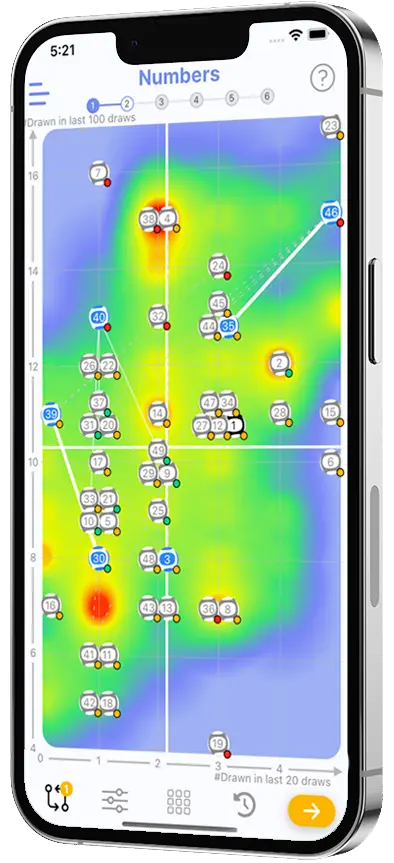





















Choosing lottery numbers is no longer limited to random guessing. Today, AI and data analysis can help players make smarter picks. By studying historical draw data, AI can identify patterns, such as frequently drawn numbers (hot numbers), numbers that rarely appear (cold numbers), and combinations that might be overdue
AI algorithms process thousands of past results to highlight number sets with better statistical potential. Instead of relying on pure luck, you can now use pattern recognition and probability models to select numbers based on data-backed trends.
To make this easier, Lotto Craft provides visual dashboards, charts, and insights, helping users navigate through complex statistics and patterns. With clear visuals and intuitive analytics, you can quickly spot trends and choose numbers with more strategy and confidence. While no system can guarantee a win, combining AI insights with lottery data brings a smarter approach to playing.
Modern entertainment doesn't stop when the credits roll. We are living in the age of the and Transmedia Storytelling . A popular media franchise today often spans across: Feature Films Limited Series Video Games Podcasts and AR Experiences
As we look toward the future, the integration of and Virtual Reality (VR) promises to redefine entertainment once again. We are moving toward "personalized media," where AI might help generate unique soundtracks or visual experiences tailored to an individual’s mood. Meanwhile, the Metaverse aims to turn media consumption into a 3D social experience, where you don’t just watch a concert—you attend it as an avatar. Conclusion
For decades, popular media was a one-way street. You sat in a theater, watched a broadcast, or read a magazine. Today, the landscape is defined by . asiaxxxtour2023yolandamikaelathreesomexxx
The Streaming Revolution and the Death of the "Watercooler Moment"
Algorithms allow platforms to serve highly specific content to niche audiences, ensuring that there is "something for everyone." Modern entertainment doesn't stop when the credits roll
Social media platforms like TikTok, Instagram, and YouTube have democratized content creation. The "audience" is now the "creator." This shift has birthed the , where a person filming in their bedroom can command more attention—and advertising revenue—than a traditional television network. Popular media is no longer just about what Hollywood produces; it’s about what the global community shares.
We no longer wait a week for a new episode. We consume entire seasons in a weekend. We are moving toward "personalized media," where AI
While we have more choices, the "watercooler moment"—where everyone watches the same show at the same time—is becoming rarer, replaced by viral social media trends that peak and fade within days. The Power of Representation and Global Media
In the modern era, the lines between our physical lives and our digital experiences have blurred into a single, continuous stream. At the heart of this convergence is , a powerhouse industry that does far more than just "distract" us. It shapes our language, dictates our trends, and provides the cultural glue that connects people across continents.
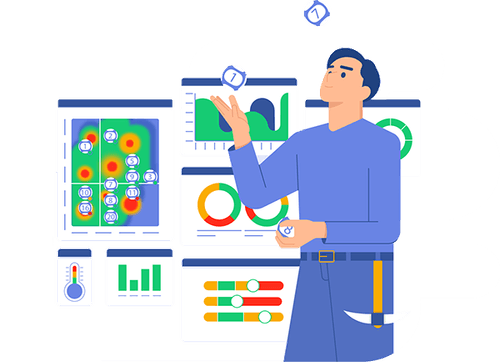
Pick the winning numbers with precision and ease with AI technology, advanced statistics and mapping visuals. Learn more

Play fewer tickets while still having a better chance of winning. Learn more

Identify tickets that have the highest chances of winning through the evaluation system. Learn more
Modern entertainment doesn't stop when the credits roll. We are living in the age of the and Transmedia Storytelling . A popular media franchise today often spans across: Feature Films Limited Series Video Games Podcasts and AR Experiences
As we look toward the future, the integration of and Virtual Reality (VR) promises to redefine entertainment once again. We are moving toward "personalized media," where AI might help generate unique soundtracks or visual experiences tailored to an individual’s mood. Meanwhile, the Metaverse aims to turn media consumption into a 3D social experience, where you don’t just watch a concert—you attend it as an avatar. Conclusion
For decades, popular media was a one-way street. You sat in a theater, watched a broadcast, or read a magazine. Today, the landscape is defined by .
The Streaming Revolution and the Death of the "Watercooler Moment"
Algorithms allow platforms to serve highly specific content to niche audiences, ensuring that there is "something for everyone."
Social media platforms like TikTok, Instagram, and YouTube have democratized content creation. The "audience" is now the "creator." This shift has birthed the , where a person filming in their bedroom can command more attention—and advertising revenue—than a traditional television network. Popular media is no longer just about what Hollywood produces; it’s about what the global community shares.
We no longer wait a week for a new episode. We consume entire seasons in a weekend.
While we have more choices, the "watercooler moment"—where everyone watches the same show at the same time—is becoming rarer, replaced by viral social media trends that peak and fade within days. The Power of Representation and Global Media
In the modern era, the lines between our physical lives and our digital experiences have blurred into a single, continuous stream. At the heart of this convergence is , a powerhouse industry that does far more than just "distract" us. It shapes our language, dictates our trends, and provides the cultural glue that connects people across continents.