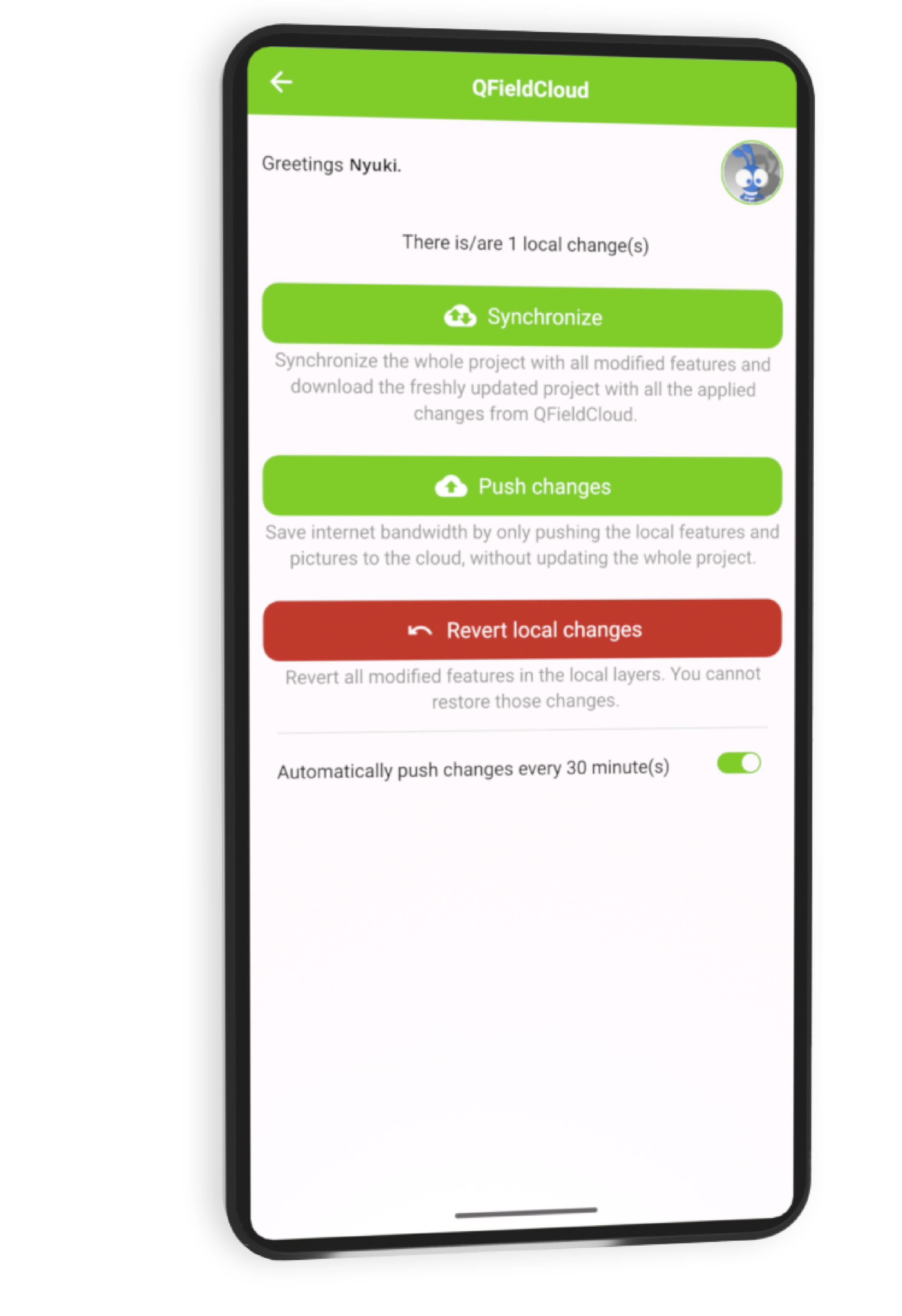
Synchronise
and collaborate.
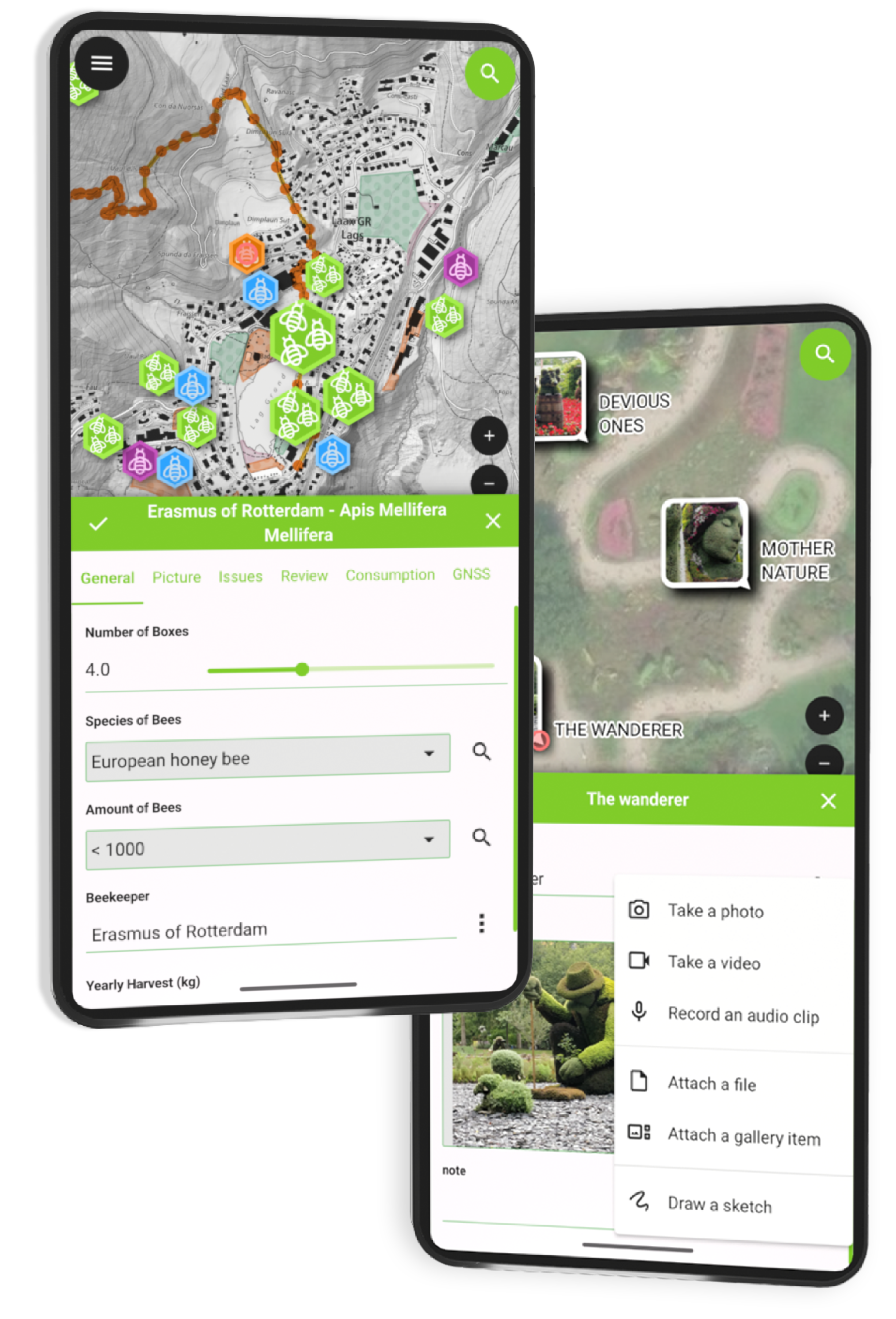
Collect
and edit data.
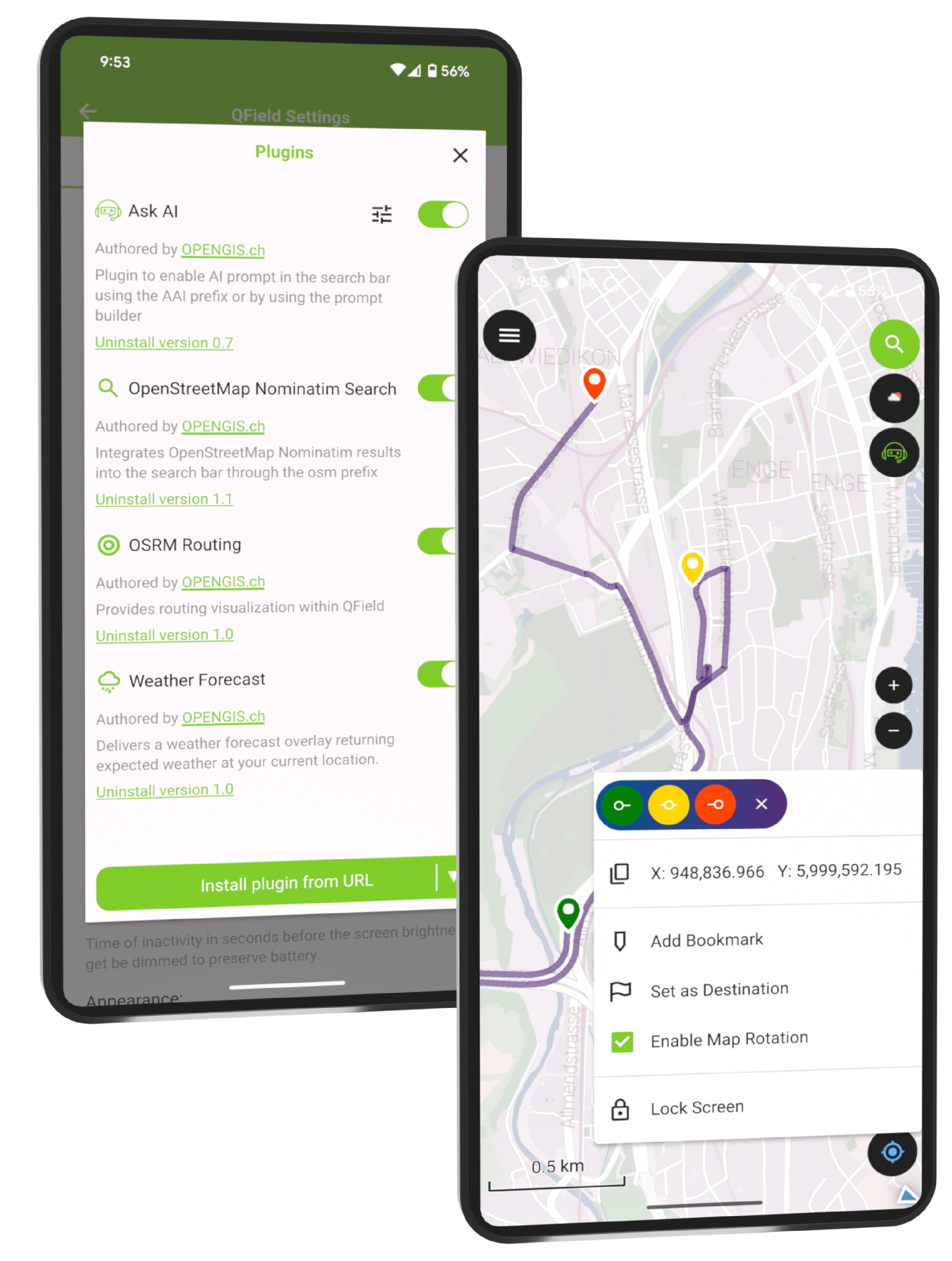
QFieldCloud allows to synchronize and merge the data collected by your team in QField. From small individual projects to large data collection campaigns, QFieldCloud removes the pain from synchronizing and merging data.

Sync projects and data in real time and work with GeoPackages, KML, GPX, georeferenced PDFs, and more.

Create rich survey forms with constraints, logic, defaults, and validations — all in QGIS.

Working in the wild ? You can continue to work seamlessly with QFieldCloud, and sync back your changes once you're back in town.

QFieldCloud perfectly integrates and extends your QGIS based geodata infrastructure.

Subscribe for a worry-free Swiss-made solution hosted on Swiss datacenters or contact us for your private cloud instance.

QFieldCloud code is open source so you can see what is actually happening to your data.
Let QFieldCoud manage it. Accurately, efficiently, and anywhere it matters. Get started now
The origins of Bangla Choti Comics date back to the 1960s, when Bengali cartoonists and writers began experimenting with the format. One of the pioneers of Bangla Choti Comics was the legendary cartoonist, Gopal Ghosh. Ghosh's works, known for their biting satire and social commentary, set the tone for the genre and inspired a generation of cartoonists and writers.
Bangla Choti Comics are a vibrant and dynamic part of Bengali literature and popular culture. With their unique blend of humor, satire, and social commentary, these comics have entertained and educated readers for decades. As the genre continues to evolve, it's clear that Bangla Choti Comics will remain a treasured part of Bengali cultural heritage, inspiring future generations of cartoonists, writers, and artists. Whether you're a longtime fan or new to the world of Bangla Choti Comics, there's no denying the significance and charm of this fascinating genre. bangla+choti+comics
Over the years, Bangla Choti Comics have evolved significantly, reflecting changes in Bengali society, politics, and culture. The 1970s and 1980s saw a surge in the popularity of Bangla Choti Comics, with many notable cartoonists, such as Ajitesh Chattopadhyay and R.K. Laxman (who also worked in Bengali), making significant contributions to the genre. The origins of Bangla Choti Comics date back
In the realm of Bengali literature, there exists a unique and fascinating world of humor and satire, known as Bangla Choti Comics. These comics have been a staple of Bengali popular culture for decades, entertaining readers with their witty humor, clever illustrations, and sharp social commentary. In this article, we'll delve into the world of Bangla Choti Comics, exploring their history, evolution, and significance in Bengali literature. Bangla Choti Comics are a vibrant and dynamic
Bangla Choti Comics, also known as Bengali comic strips or choti golpo (short stories), are a type of illustrated narrative that combines humor, satire, and social commentary. The term "choti" refers to short, concise stories, while "comics" speaks to their visual nature. These comics typically feature simple, hand-drawn illustrations and brief, punchy text, making them easily accessible to a wide range of readers.
The 1990s and 2000s witnessed a new wave of Bangla Choti Comics, with the rise of digital platforms and social media. This allowed cartoonists and writers to reach a wider audience and experiment with new styles and themes. Today, Bangla Choti Comics continue to thrive, with many online platforms, such as Comics Bangla and Bangla Comics, showcasing the works of emerging and established cartoonists.





QField and QFieldCloud form the leading professional fieldwork platform used in enterprise settings for efficient geospatial data collection, synchronization, and management. As Digital Public Goods, they not only excel in enterprise and professional applications but also contribute significantly to advancing at least six of the United Nations Sustainable Development Goals (SDGs), promoting a more sustainable and equitable future.
Subscribe to our newsletter and stay up to date on the latest and greatest!
QField is released under the GNU Public License (GPL) Version 2 or above. QFieldCloud is released under the MIT License. Developing our solutions under these licenses means that you can inspect and modify the source code and guarantees that you will always have access to a complete QGIS-based field data collection and synchronization platform that is free of cost and can be freely modified.
View our Legal Information to learn about our privacy policy, terms of service, data processing agreement (DPA), and other legal matters.
QField, QFieldCloud and QFieldSync are developped by OPENGIS.ch. OPENGIS.ch offers consulting, development, training and support for open-source software including QField, QGIS and PostGIS.