SPEECHTEXTER
...

Deeper.23.10.19.angel.youngs.red.flags.xxx.1080... File

From the rise of short-form video to the "peak TV" era of streaming, here is an exploration of how entertainment content and popular media are evolving and why they matter more than ever. The Shift from Passive Consumption to Active Participation

In the modern era, the lines between our physical lives and our digital experiences have blurred into a single, continuous stream. At the heart of this convergence is , a powerhouse industry that does far more than just "distract" us. It shapes our language, dictates our trends, and provides the cultural glue that connects people across continents.

The transition from cable television to services like Netflix, Disney+, and HBO Max has fundamentally changed our viewing habits. Deeper.23.10.19.Angel.Youngs.Red.Flags.XXX.1080...

Shows like Squid Game (South Korea) or Money Heist (Spain) have proven that language is no longer a barrier to becoming a global phenomenon. Entertainment content is increasingly reflecting a multi-faceted world, allowing audiences to see themselves represented in stories that were previously gatekept by traditional studios. Transmedia Storytelling: Worlds Beyond the Screen

We no longer wait a week for a new episode. We consume entire seasons in a weekend. From the rise of short-form video to the

Modern entertainment doesn't stop when the credits roll. We are living in the age of the and Transmedia Storytelling . A popular media franchise today often spans across: Feature Films Limited Series Video Games Podcasts and AR Experiences

Social media platforms like TikTok, Instagram, and YouTube have democratized content creation. The "audience" is now the "creator." This shift has birthed the , where a person filming in their bedroom can command more attention—and advertising revenue—than a traditional television network. Popular media is no longer just about what Hollywood produces; it’s about what the global community shares. It shapes our language, dictates our trends, and

This creates an immersive ecosystem where fans can "live" within their favorite stories. Franchises like Marvel, Star Wars, and The Last of Us leverage this to maintain engagement year-round, turning casual viewers into dedicated lifelong fans. The Future: AI, VR, and the Metaverse

As we look toward the future, the integration of and Virtual Reality (VR) promises to redefine entertainment once again. We are moving toward "personalized media," where AI might help generate unique soundtracks or visual experiences tailored to an individual’s mood. Meanwhile, the Metaverse aims to turn media consumption into a 3D social experience, where you don’t just watch a concert—you attend it as an avatar. Conclusion

SpeechTexter is a free multilingual speech-to-text application aimed at assisting you with transcription of notes, documents, books, reports or blog posts by using your voice. This app also features a customizable voice commands list, allowing users to add punctuation marks, frequently used phrases, and some app actions (undo, redo, make a new paragraph).

SpeechTexter is used daily by students, teachers, writers, bloggers around the world.

It will assist you in minimizing your writing efforts significantly.

Voice-to-text software is exceptionally valuable for people who have difficulty using their hands due to trauma, people with dyslexia or disabilities that limit the use of conventional input devices. Speech to text technology can also be used to improve accessibility for those with hearing impairments, as it can convert speech into text.

It can also be used as a tool for learning a proper pronunciation of words in the foreign language, in addition to helping a person develop fluency with their speaking skills.
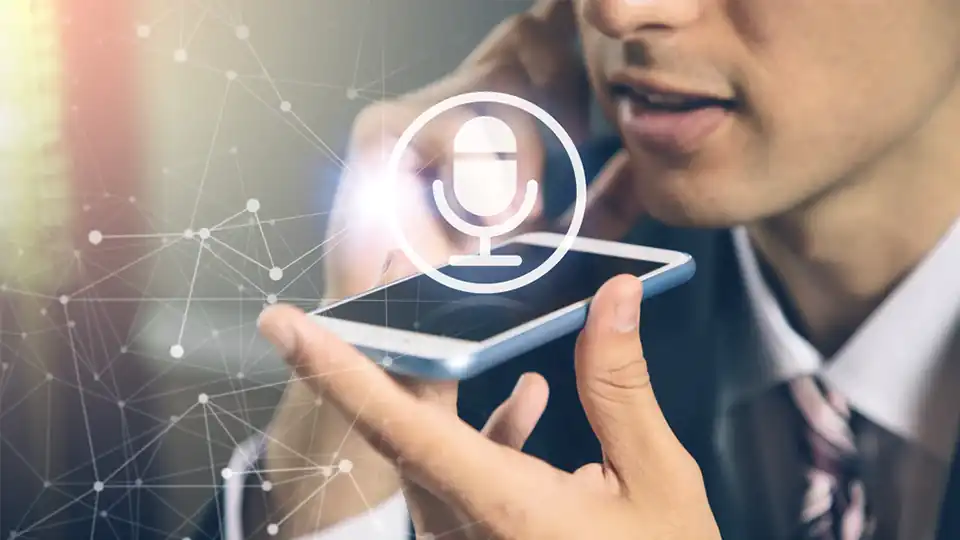
using speechtexter to dictate a text

Accuracy levels higher than 90% should be expected. It varies depending on the language and the speaker.

No download, installation or registration is required. Just click the microphone button and start dictating.

Speech to text technology is quickly becoming an essential tool for those looking to save time and increase their productivity.
Features

Powerful real-time continuous speech recognition

Creation of text notes, emails, blog posts, reports and more.

Custom voice commands

More than 70 languages supported

Technology

SpeechTexter is using Google Speech recognition to convert the speech into text in real-time. This technology is supported by Chrome browser (for desktop) and some browsers on Android OS. Other browsers have not implemented speech recognition yet.

Note: iPhones and iPads are not supported

List of supported languages:

Afrikaans, Albanian, Amharic, Arabic, Armenian, Azerbaijani, Basque, Bengali, Bosnian, Bulgarian, Burmese, Catalan, Chinese (Mandarin, Cantonese), Croatian, Czech, Danish, Dutch, English, Estonian, Filipino, Finnish, French, Galician, Georgian, German, Greek, Gujarati, Hebrew, Hindi, Hungarian, Icelandic, Indonesian, Italian, Japanese, Javanese, Kannada, Kazakh, Khmer, Kinyarwanda, Korean, Lao, Latvian, Lithuanian, Macedonian, Malay, Malayalam, Marathi, Mongolian, Nepali, Norwegian Bokmål, Persian, Polish, Portuguese, Punjabi, Romanian, Russian, Serbian, Sinhala, Slovak, Slovenian, Southern Sotho, Spanish, Sundanese, Swahili, Swati, Swedish, Tamil, Telugu, Thai, Tsonga, Tswana, Turkish, Ukrainian, Urdu, Uzbek, Venda, Vietnamese, Xhosa, Zulu.

Instructions for web app on desktop (Windows, Mac, Linux OS)


Requirements: the latest version of the Google Chrome [↗] browser (other browsers are not supported).

1. Connect a high-quality microphone to your computer.

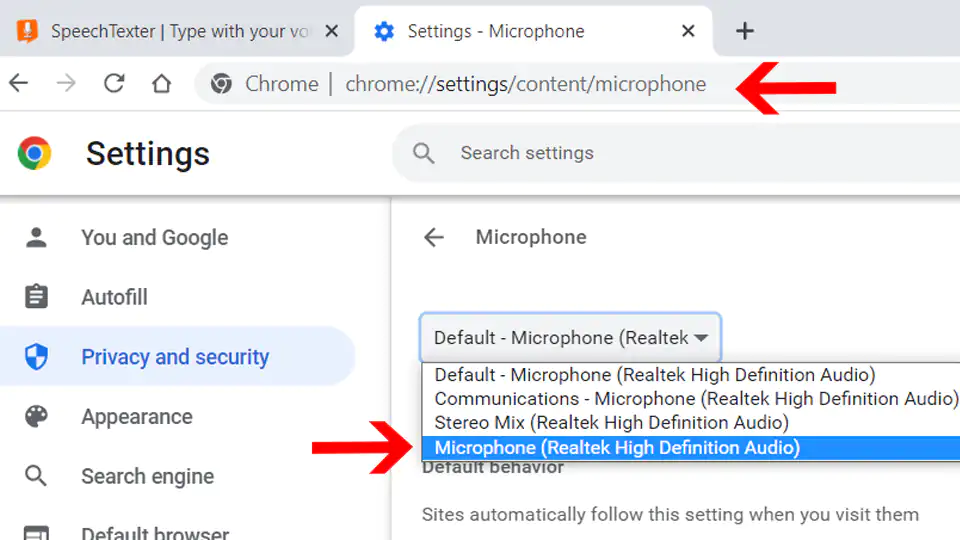
2. Make sure your microphone is set as the default recording device on your browser.

To go directly to microphone's settings paste the line below into Chrome's URL bar.

chrome://settings/content/microphone


Set microphone as default recording device

To capture speech from video/audio content on the web or from a file stored on your device, select 'Stereo Mix' as the default audio input.

3. Select the language you would like to speak (Click the button on the top right corner).

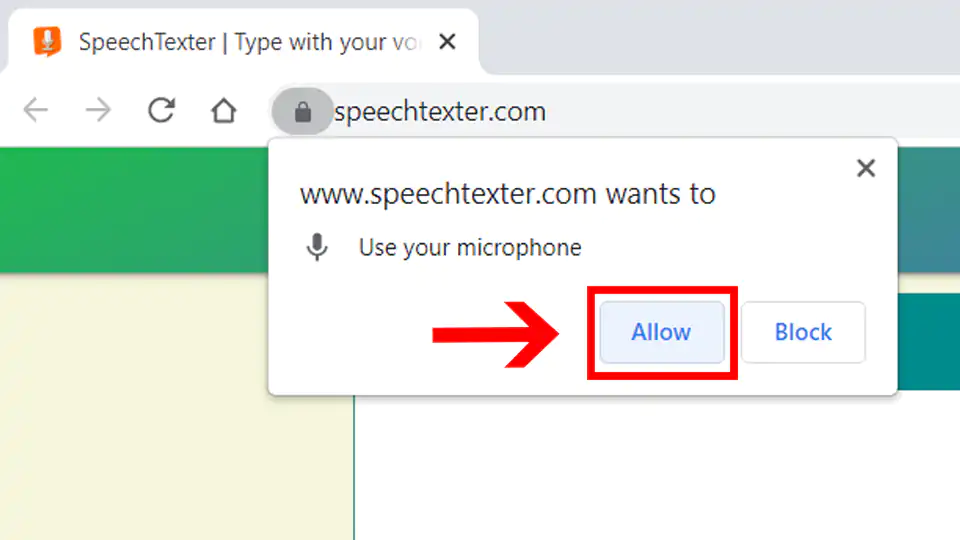
4. Click the "microphone" button. Chrome browser will request your permission to access your microphone. Choose "allow".

Allow microphone access

5. You can start dictating!

Instructions for the web app on a mobile and for the android app (the android app is no longer supported)


Requirements:
- Google app [↗] installed on your Android device.
- Any of the supported browsers if you choose to use the web app.

Supported android browsers (not a full list):
Chrome browser (recommended), Edge, Opera, Brave, Vivaldi.

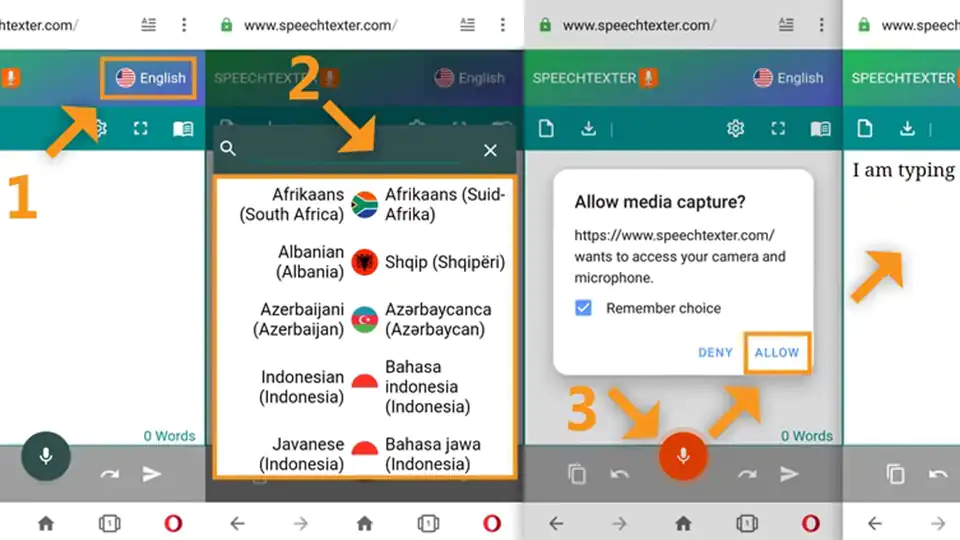
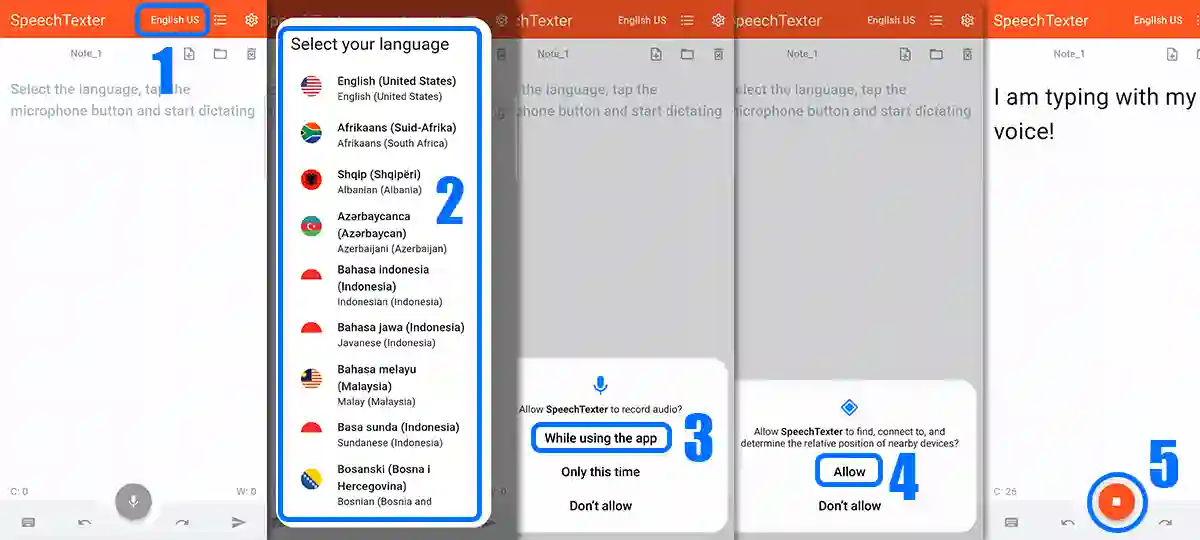
1. Tap the button with the language name (on a web app) or language code (on android app) on the top right corner to select your language.

2. Tap the microphone button. The SpeechTexter app will ask for permission to record audio. Choose 'allow' to enable microphone access.

instructions for the web app
web app

instructions for the android app
android app

3. You can start dictating!

From the rise of short-form video to the "peak TV" era of streaming, here is an exploration of how entertainment content and popular media are evolving and why they matter more than ever. The Shift from Passive Consumption to Active Participation

In the modern era, the lines between our physical lives and our digital experiences have blurred into a single, continuous stream. At the heart of this convergence is , a powerhouse industry that does far more than just "distract" us. It shapes our language, dictates our trends, and provides the cultural glue that connects people across continents.

The transition from cable television to services like Netflix, Disney+, and HBO Max has fundamentally changed our viewing habits.

Shows like Squid Game (South Korea) or Money Heist (Spain) have proven that language is no longer a barrier to becoming a global phenomenon. Entertainment content is increasingly reflecting a multi-faceted world, allowing audiences to see themselves represented in stories that were previously gatekept by traditional studios. Transmedia Storytelling: Worlds Beyond the Screen

We no longer wait a week for a new episode. We consume entire seasons in a weekend.

Modern entertainment doesn't stop when the credits roll. We are living in the age of the and Transmedia Storytelling . A popular media franchise today often spans across: Feature Films Limited Series Video Games Podcasts and AR Experiences

Social media platforms like TikTok, Instagram, and YouTube have democratized content creation. The "audience" is now the "creator." This shift has birthed the , where a person filming in their bedroom can command more attention—and advertising revenue—than a traditional television network. Popular media is no longer just about what Hollywood produces; it’s about what the global community shares.

This creates an immersive ecosystem where fans can "live" within their favorite stories. Franchises like Marvel, Star Wars, and The Last of Us leverage this to maintain engagement year-round, turning casual viewers into dedicated lifelong fans. The Future: AI, VR, and the Metaverse

As we look toward the future, the integration of and Virtual Reality (VR) promises to redefine entertainment once again. We are moving toward "personalized media," where AI might help generate unique soundtracks or visual experiences tailored to an individual’s mood. Meanwhile, the Metaverse aims to turn media consumption into a 3D social experience, where you don’t just watch a concert—you attend it as an avatar. Conclusion