

Destroy All Humans- Switch Nsp Update May 2026
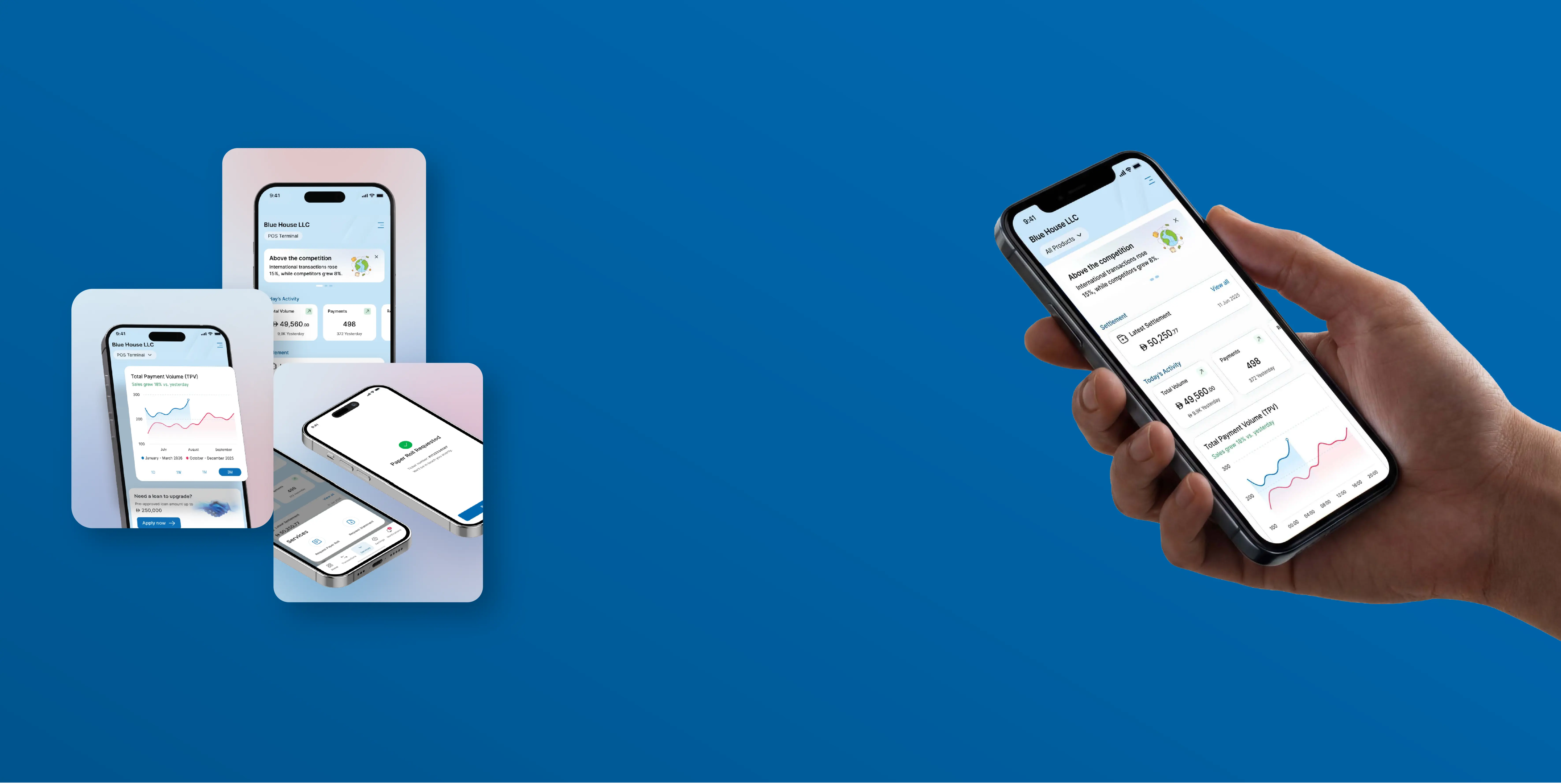
Instant installments on Network POS terminal

The primary focus of these updates was technical optimization. In the initial launch version, players occasionally experienced blurred textures and frame drops during chaotic encounters in locations like Turnipseed Farm or Union Town. Through various patches, the developers refined the dynamic resolution scaling. This ensured that even when the screen is filled with explosions and fleeing humans, the gameplay remains responsive and visually coherent.
The 2020 remake of the cult classic was a visual overhaul of the original 2005 title. Bringing such a graphically intensive game to the Switch’s mobile hardware was no small feat. Early versions of the game faced challenges with resolution and frame rate stability. The subsequent NSP updates were designed specifically to bridge the gap between portable performance and the high-octane action fans expected.
Installing the latest NSP update is straightforward for most users. When connected to the internet, the Nintendo Switch typically prompts a download before launching the software. For those managing their libraries manually, verifying the version number in the game’s options menu is the best way to ensure the most stable "invasion" experience possible.
Destroy All Humans! brought its brand of alien mayhem to the Nintendo Switch, allowing fans to take the invasion on the go. To keep the experience smooth and feature-rich, developers released several NSP (Nintendo Submission Package) updates. This article explores the significance of these updates, how they improve the game, and what players need to know about the latest versions.
In addition to performance, updates often introduced quality-of-life improvements. These included faster loading times between missions and fixes for specific quest-related bugs that could hinder progress. Some updates also addressed the controls, fine-tuning the sensitivity of the Analogue Sticks and motion controls to make aiming the Zap-O-Matic or the Abducto Beam feel more natural on the Joy-Cons and Pro Controller.
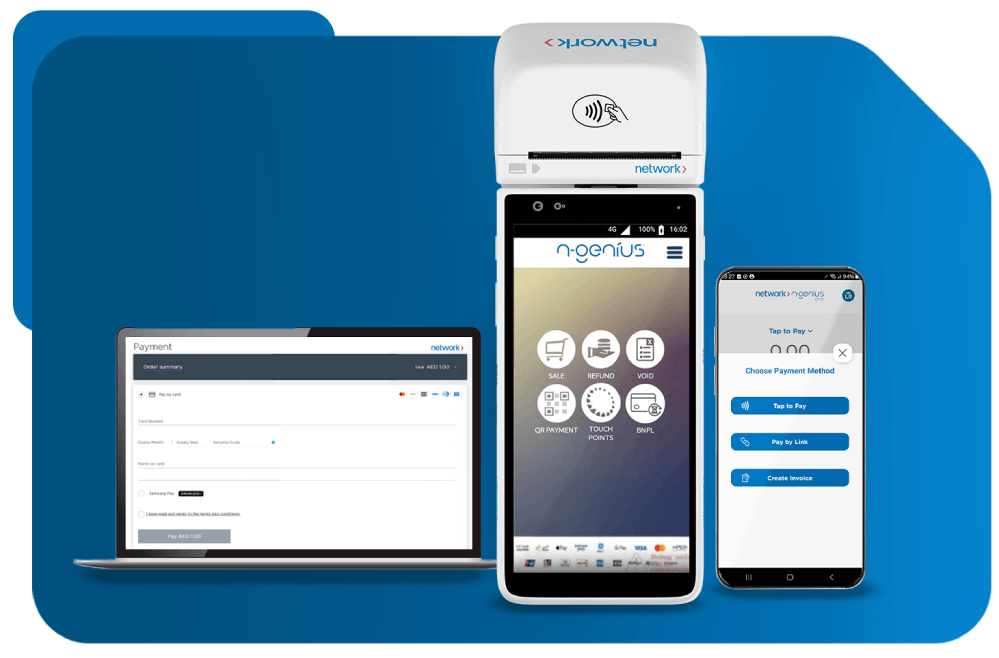
Our online and in-person payment solutions are designed to heighten customer experiences and accelerate business growth.
Explore More
We support banks, fintechs and telcos with agile end-to-end solutions that drive engagement and loyalty.
Explore More
Our data analytics, advanced fraud protection, loyalty programs and other value-added offerings take customer experiences and business performance to new heights.
Explore MoreThe primary focus of these updates was technical optimization. In the initial launch version, players occasionally experienced blurred textures and frame drops during chaotic encounters in locations like Turnipseed Farm or Union Town. Through various patches, the developers refined the dynamic resolution scaling. This ensured that even when the screen is filled with explosions and fleeing humans, the gameplay remains responsive and visually coherent.
The 2020 remake of the cult classic was a visual overhaul of the original 2005 title. Bringing such a graphically intensive game to the Switch’s mobile hardware was no small feat. Early versions of the game faced challenges with resolution and frame rate stability. The subsequent NSP updates were designed specifically to bridge the gap between portable performance and the high-octane action fans expected.
Installing the latest NSP update is straightforward for most users. When connected to the internet, the Nintendo Switch typically prompts a download before launching the software. For those managing their libraries manually, verifying the version number in the game’s options menu is the best way to ensure the most stable "invasion" experience possible.
Destroy All Humans! brought its brand of alien mayhem to the Nintendo Switch, allowing fans to take the invasion on the go. To keep the experience smooth and feature-rich, developers released several NSP (Nintendo Submission Package) updates. This article explores the significance of these updates, how they improve the game, and what players need to know about the latest versions.
In addition to performance, updates often introduced quality-of-life improvements. These included faster loading times between missions and fixes for specific quest-related bugs that could hinder progress. Some updates also addressed the controls, fine-tuning the sensitivity of the Analogue Sticks and motion controls to make aiming the Zap-O-Matic or the Abducto Beam feel more natural on the Joy-Cons and Pro Controller.
 Scale & Speed
 High Availability
 Data Privacy & Security
 Local & Global Compliance
 On-Premises & Multi-Cloud