In the late 2000s and early 2010s, this specific string became the "Hello World" for aspiring security researchers and "script kiddies" alike. The reason?
To understand the link, you have to break it down into two parts: the and the URL Structure . inurl php id 1 link
In the early days of CMS (Content Management Systems), many custom-built sites used this exact naming convention for their database queries. Is it still dangerous? In the late 2000s and early 2010s, this
When a programmer writes code that looks like SELECT * FROM articles WHERE id = $id without properly "cleaning" the input, a hacker can change the 1 in the URL to something malicious. For example, changing the link to php?id=1' (adding a single quote) might cause the website to throw a database error. That error is a green light that the site is vulnerable. Why was it so popular? In the early days of CMS (Content Management
This indicates a website using the PHP programming language that is fetching data from a database. php is the file extension. ?id= is a query parameter.
By typing inurl:php?id=1 into Google, anyone could find a list of thousands of potential targets in seconds.
Never insert variables directly into SQL queries. Use PDO or MySQLi with prepared statements.
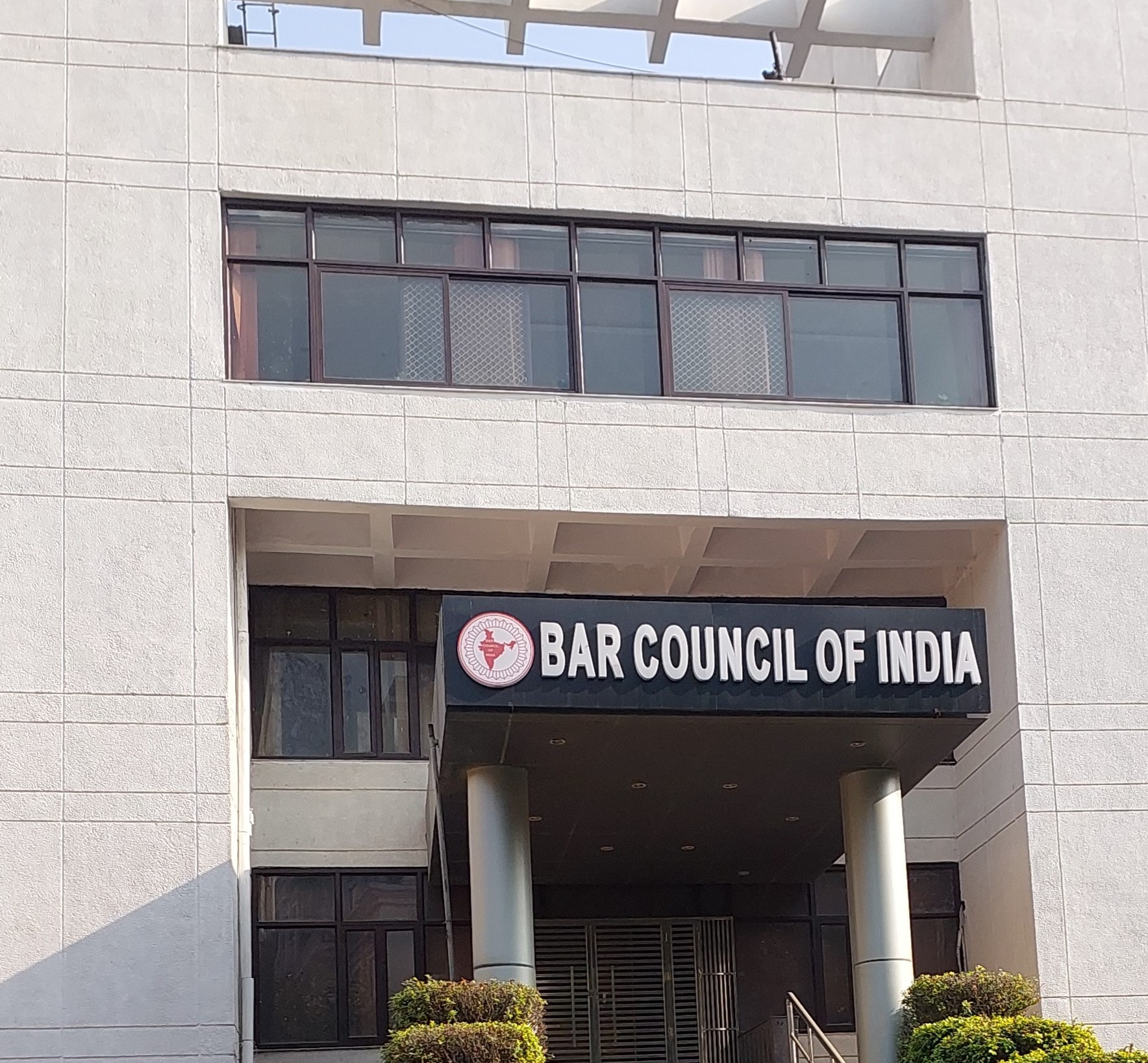
The statutory powers and functions of the BCI as conferred by means of the Advocates Act, 1961 as well as the BCI Rules are two fold;
First, to supervise the centres of legal education functioning all over the country and the students enrolled therein, inter-alia by laying down the standards of curriculum, standards of infrastructure, number and qualification of faculties, recognition of centres of legal education (Law Schools/Colleges) based upon the standards laid down by BCI and;
Secondly, to prescribe a uniform qualification for the admission of persons to be advocates and to further regulate the entry and over all conduct of Advocates in the profession by laying down standards of professional conduct and etiquettes for advocates.