Download and Sign Up
Security guard mobile app for guards is available on both the Apple Store and Play Store.



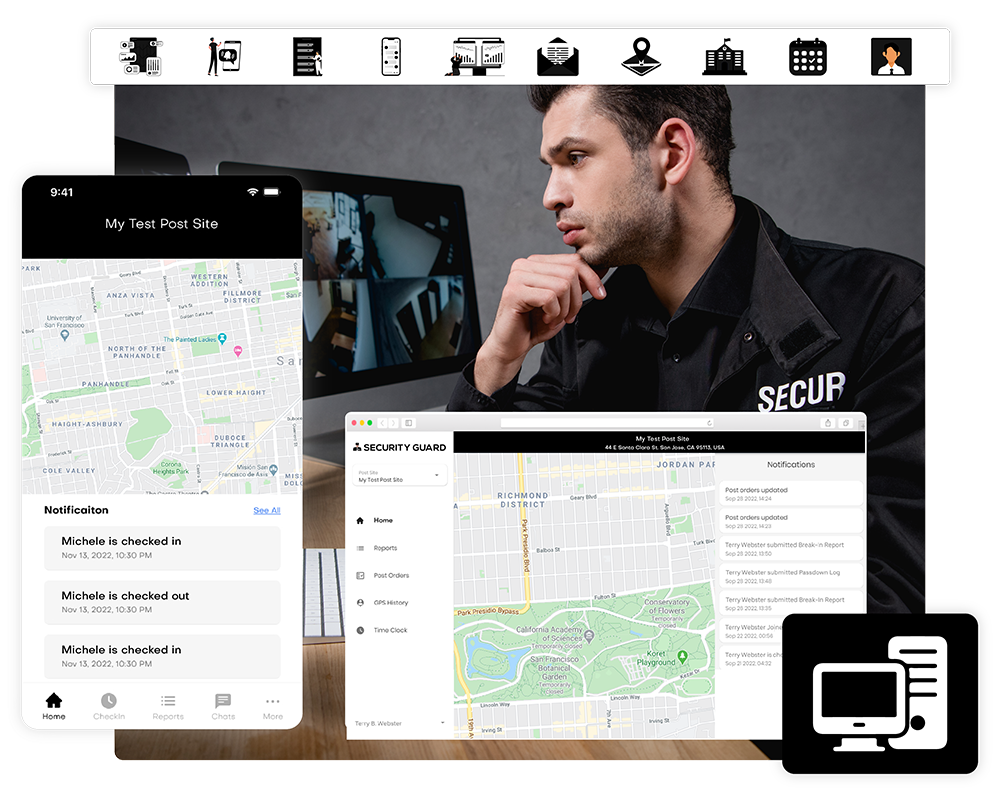














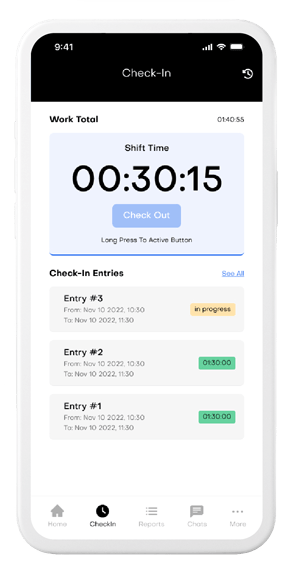



Security Guard App is packed with numerous features that help enhance data sharing and communication within your security team.
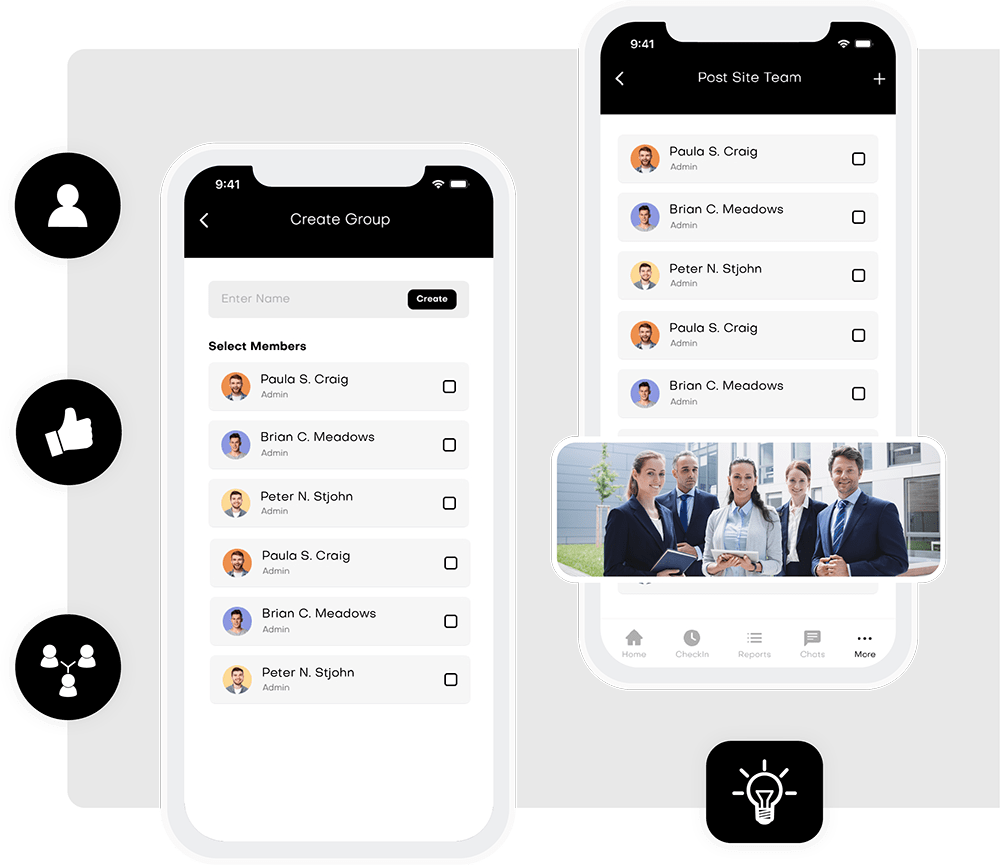
Security guard mobile and web app is everything your business needs to manage security teams and security guard operations remotely.

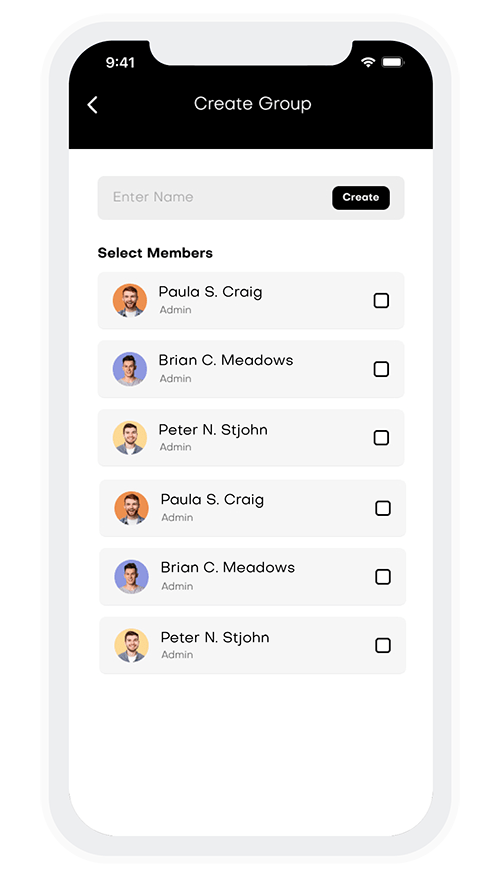
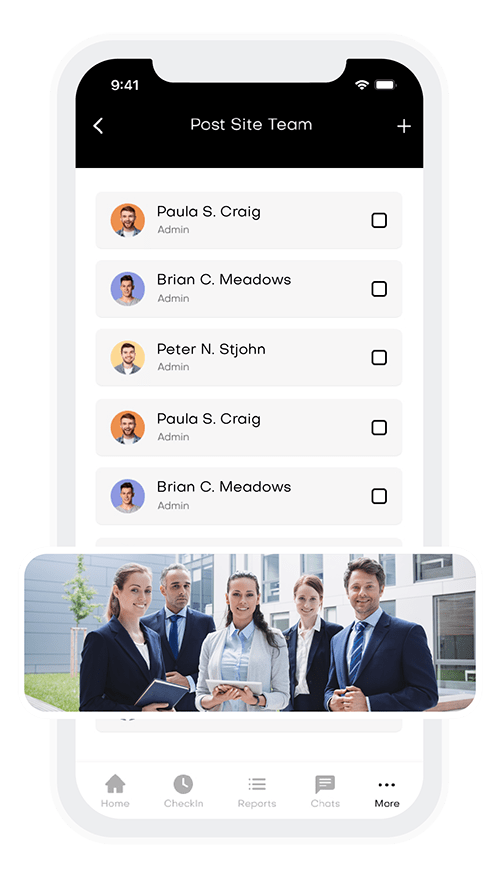




Security guard mobile app for guards is available on both the Apple Store and Play Store.

Turn on the GPS of your smartphone to select the location and start adding multiple sites.


Start inviting security guards to start collaborating and monitoring them seamlessly.


Recognizing that certain demographics face higher volumes of hate speech.
The digital landscape is often a double-edged sword for creators, especially those from marginalized backgrounds. The search term has recently gained traction, highlighting a disturbing intersection of online harassment, identity, and the specific vulnerabilities faced by Latina influencers and content creators in verified digital spaces. The Rise of "Alicia" and the Reality of Targeted Harassment
Creators who navigate between English and Spanish often face "linguistic profiling," where they are mocked for accents or criticized for not being "Latina enough" or "too Latina."
The impact of this targeted abuse extends far beyond the screen. Studies have shown that women of color experience a higher frequency of online threats. For Latina women, this is often compounded by cultural pressures and the "strong woman" archetype, which can make seeking help feel like a sign of weakness.
Verification can sometimes act as a beacon for coordinated attacks, as the "verified" status makes a profile more discoverable to bad actors. Why "Verified" Doesn't Mean "Protected"
In many online communities, "Alicia" represents a composite or specific figure—a verified Latina creator who, despite reaching a level of professional legitimacy (the blue checkmark), finds herself the target of relentless digital abuse.
Higher rankings in search results mean more eyes, including those of predators.
Attackers often use ethnic stereotypes to dehumanize creators, reducing their professional work to harmful tropes.
Building better pathways for creators to reclaim their digital spaces without fear of retaliation. Conclusion
Victims of abuse are often tone-policed. If a creator like Alicia defends herself, she risks being labeled "aggressive"—a common stereotype used to silence Latina women—which can threaten her verified status or brand partnerships. The Psychological Toll of Digital Abuse
We help security guard companies overcome obstacles and maximize the power of their security operations effortlessly.




Security Guards And Clients Highly Appreciate
Security Guard App Features
Recognizing that certain demographics face higher volumes of hate speech.
The digital landscape is often a double-edged sword for creators, especially those from marginalized backgrounds. The search term has recently gained traction, highlighting a disturbing intersection of online harassment, identity, and the specific vulnerabilities faced by Latina influencers and content creators in verified digital spaces. The Rise of "Alicia" and the Reality of Targeted Harassment latina abuse alicia verified
Creators who navigate between English and Spanish often face "linguistic profiling," where they are mocked for accents or criticized for not being "Latina enough" or "too Latina."
The impact of this targeted abuse extends far beyond the screen. Studies have shown that women of color experience a higher frequency of online threats. For Latina women, this is often compounded by cultural pressures and the "strong woman" archetype, which can make seeking help feel like a sign of weakness. Recognizing that certain demographics face higher volumes of
Verification can sometimes act as a beacon for coordinated attacks, as the "verified" status makes a profile more discoverable to bad actors. Why "Verified" Doesn't Mean "Protected"
In many online communities, "Alicia" represents a composite or specific figure—a verified Latina creator who, despite reaching a level of professional legitimacy (the blue checkmark), finds herself the target of relentless digital abuse. The Rise of "Alicia" and the Reality of
Higher rankings in search results mean more eyes, including those of predators.
Attackers often use ethnic stereotypes to dehumanize creators, reducing their professional work to harmful tropes.
Building better pathways for creators to reclaim their digital spaces without fear of retaliation. Conclusion
Victims of abuse are often tone-policed. If a creator like Alicia defends herself, she risks being labeled "aggressive"—a common stereotype used to silence Latina women—which can threaten her verified status or brand partnerships. The Psychological Toll of Digital Abuse
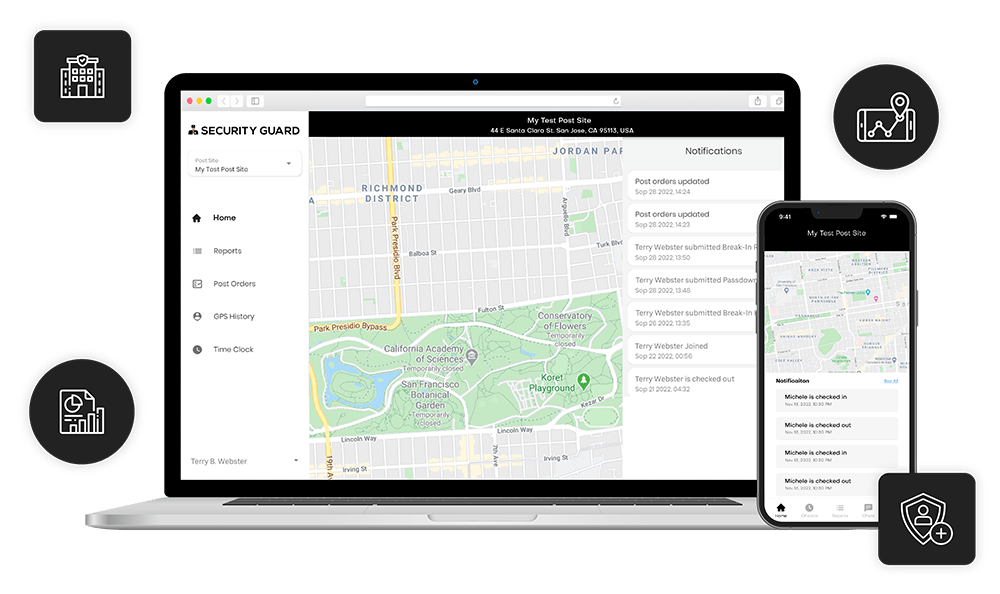
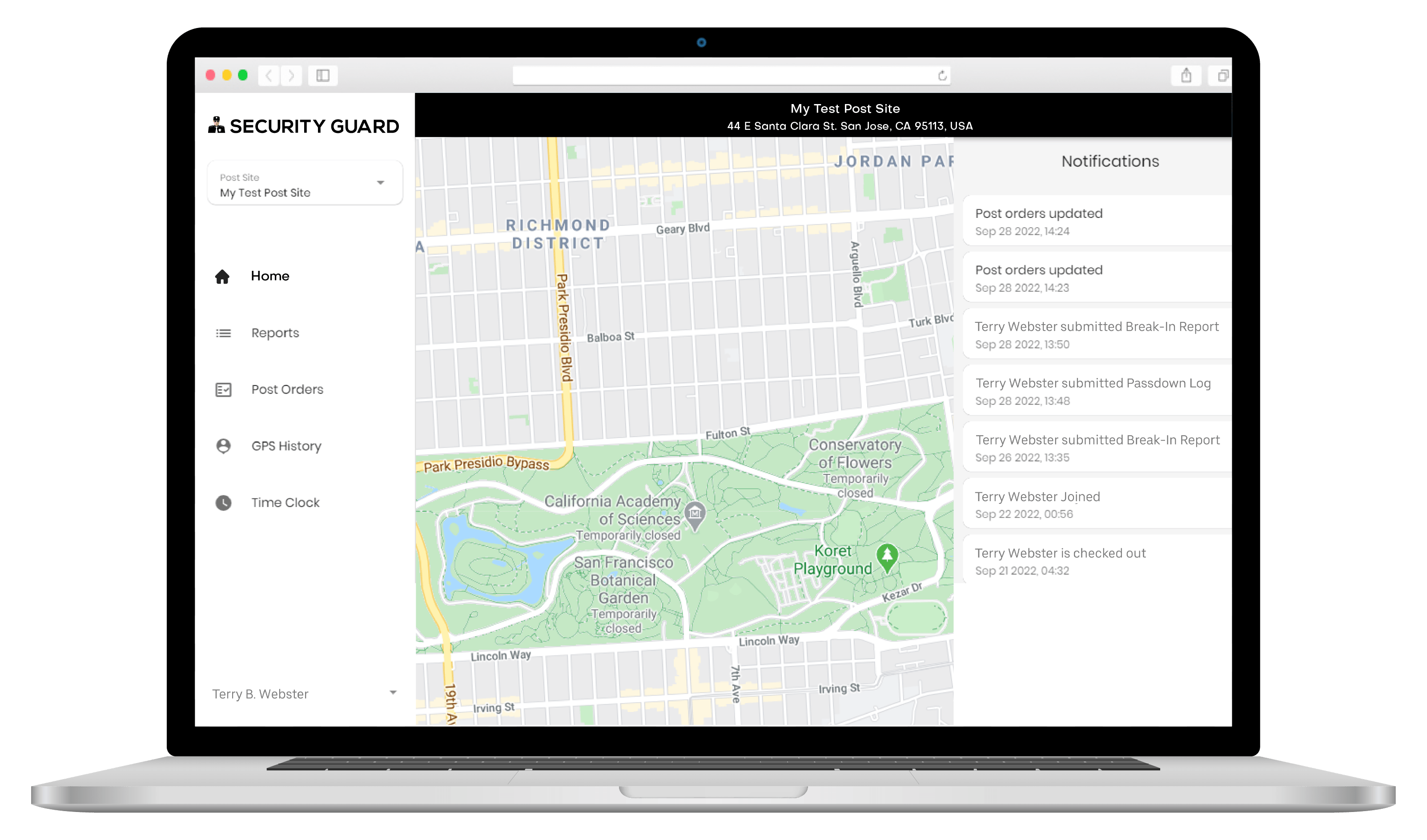
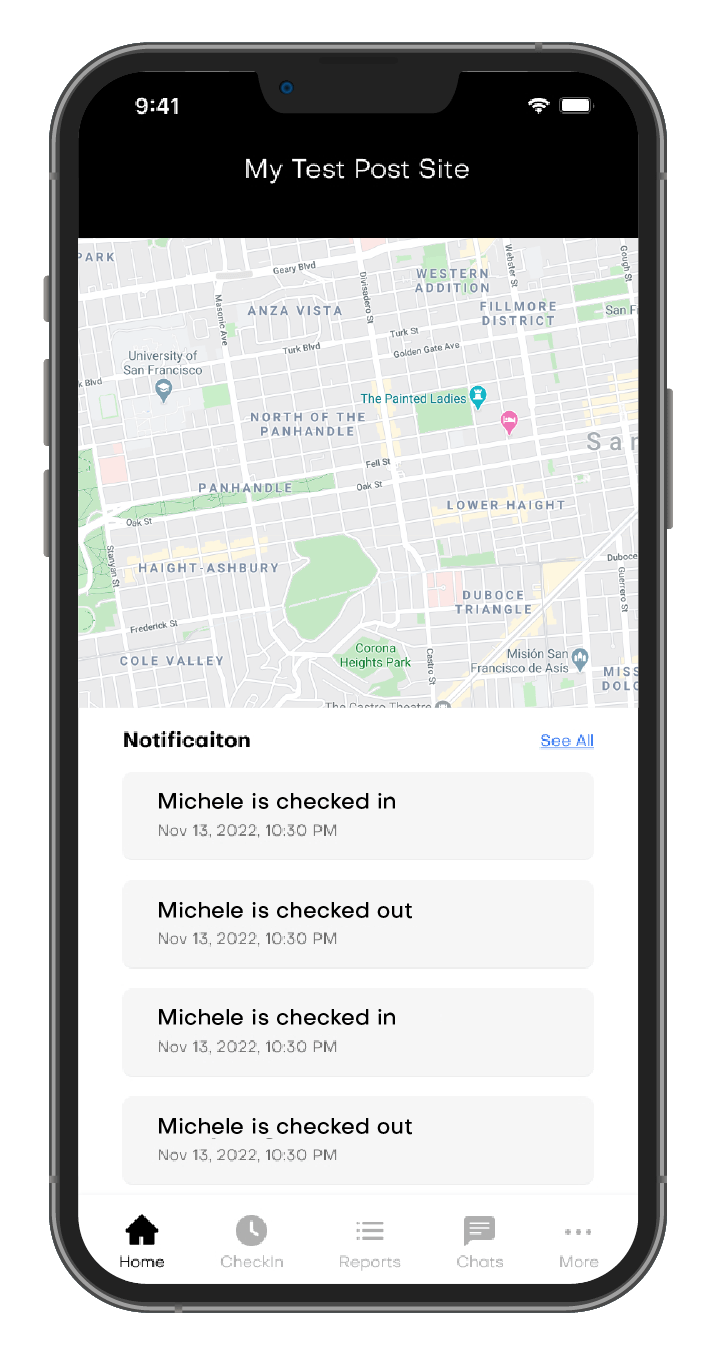




Compatible with Windows, Mac, Android, & iOS devices.