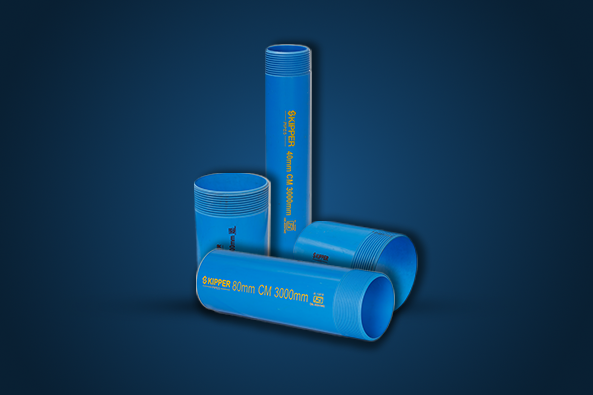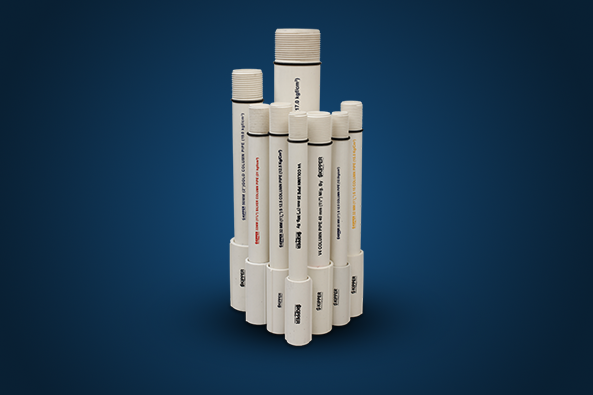




Why Skipper Pipes
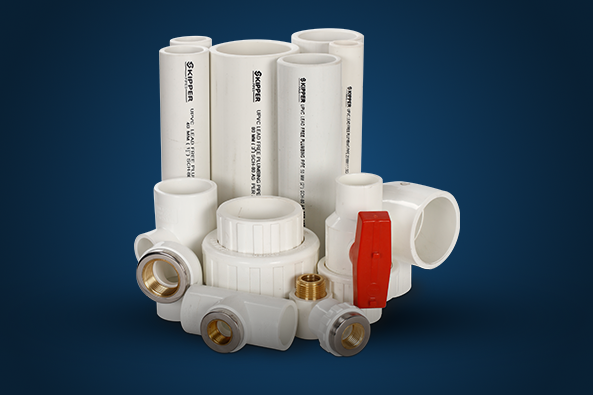
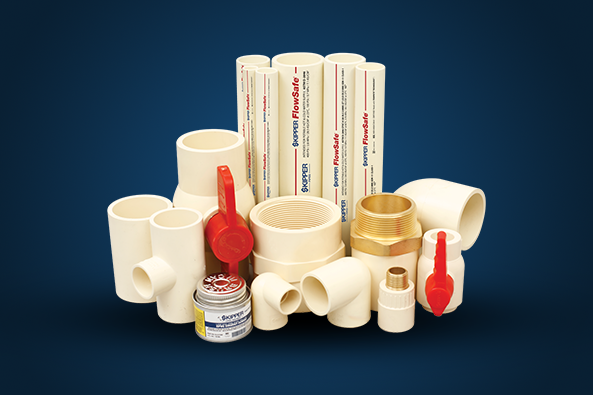
With a strong focus on product innovation and pan-India support, Skipper Pipes delivers long-term performance, safety, and installation efficiency—making it the trusted choice of engineers, architects, and plumbing professionals nationwide. Skipper Pipes has partnered with Lubrizol, the original innovator of CPVC resin and compounds, to bring world-class TempRite®️ Technology to India.




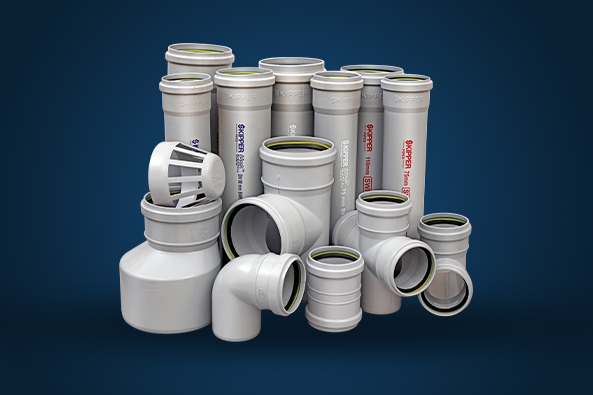
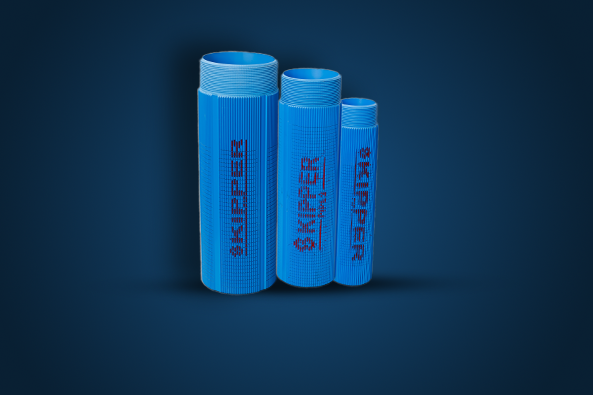
Skipper's product range is built to meet real-world demands, whether it's daily household use or high-pressure applications in challenging field and infrastructure conditions.
Crafted with precision and backed by innovation, our products meet every purpose with unmatched strength and field-tested performance, trusted by professionals across India.
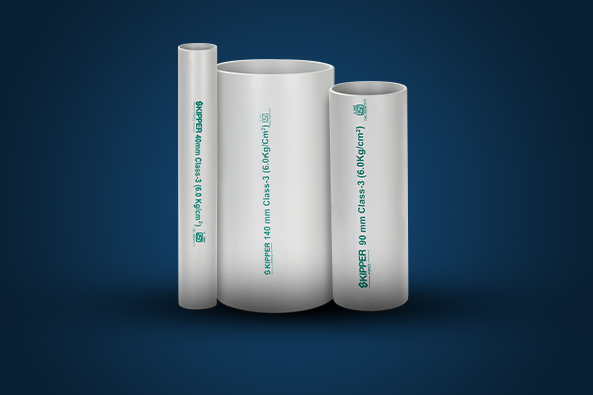
Agriculture Pipes
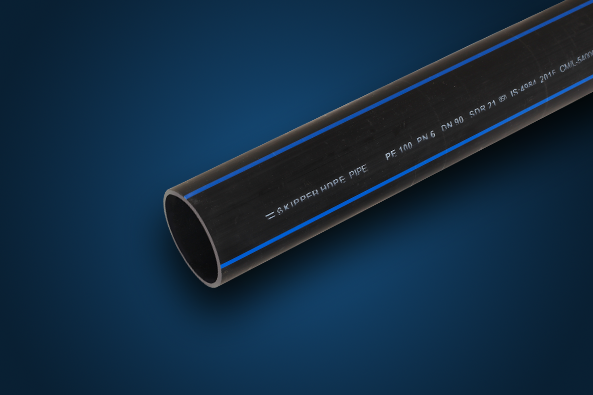
HDPE Pipes

Marina Tank
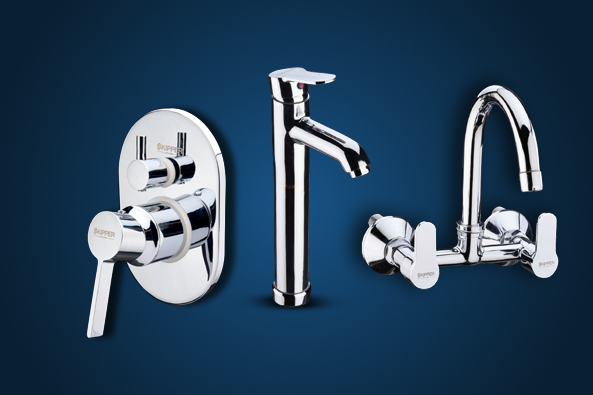
Bath Fittings

Skipper Saathi is more than a loyalty program — it's a nationwide movement by Skipper Pipes, India’s Safest Pipes, to build a thriving community of plumbers, distributors, and retailers from every corner of the country.
Whether you're on-site, in-store, or on the move, Skipper Saathi keeps you connected to the latest in the piping world — from product innovations and plumbing technologies to installation hacks, best practices, and exclusive training modules.
Top-performing plumbers will be featured and rewarded for their dedication, skill, and contribution to the Skipper family — because we believe in celebrating real heroes.
In recent years, there has been a resurgence of interest in traditional Nepali attire, including the puti, among younger generations. Fashion designers have started to experiment with the traditional designs, incorporating modern styles and materials to make the puti more appealing to contemporary tastes. This fusion of old and new has not only revitalized interest in the puti but has also contributed to its global appeal. The "Nepali puti photo" now finds its way into international fashion blogs, cultural exhibitions, and social media platforms, serving as a bridge between Nepali heritage and global fashion.
The puti has a long history in Nepal, dating back to the medieval period. It was originally worn by men as a symbol of simplicity, comfort, and practicality. The design of the puti was influenced by the climatic conditions of the region, the availability of fabrics, and the socio-cultural context. Over the years, the puti has evolved, reflecting changes in fashion, technology, and societal values. Despite these changes, it remains a cherished part of Nepali heritage, symbolizing the country's rich cultural legacy. nepali puti photo
The puti is more than just a piece of clothing; it is a cultural emblem that represents the identity and tradition of the Nepali people. It is often worn on special occasions such as festivals, weddings, and religious ceremonies. The puti is usually made from cotton or silk and is characterized by its loose fit, long sleeves, and intricate designs. The fabric, color, and pattern of the puti can signify the wearer's social status, marital status, and ethnic background. In recent years, there has been a resurgence
The aesthetic appeal of the puti lies in its simplicity, elegance, and the vibrant colors that adorn it. A "Nepali puti photo" showcases not just the garment but also the artisan's skillful hands that weave and embroider it. The patterns often depict nature, mythological figures, and geometric shapes, reflecting the artistic sensibilities and spiritual beliefs of the Nepali people. When worn, the puti accentuates the grace and dignity of the wearer, making it a favorite subject for photographers who wish to capture the essence of Nepali culture. The "Nepali puti photo" now finds its way
In the realm of Nepali culture, there exists a fascinating and traditional attire known as "Puti." A puti is a type of long, loose-fitting shirt or tunic that has been an integral part of Nepali heritage for centuries. When we talk about "Nepali puti photo," we are not just referring to images of this traditional garment but also to the rich cultural context and the aesthetic appeal it holds. This article aims to explore the significance of the puti in Nepali culture, its historical background, and the visual allure that makes "Nepali puti photo" a popular search term.
The "Nepali puti photo" is more than just a search term; it is a window into the rich cultural fabric of Nepal. It showcases the country's history, traditions, and artistic expressions. Whether through traditional designs or modern interpretations, the puti remains a symbol of Nepali identity and cultural pride. As we admire the beauty and significance of the puti through photographs, we are reminded of the importance of preserving and celebrating cultural heritage. In doing so, we ensure that the stories, traditions, and aesthetics of the Nepali people continue to inspire and enrich our global community.
The "Nepali puti photo" is a visual narrative that tells the story of Nepali culture, tradition, and aesthetics. Photographers and cultural documentarians play a crucial role in preserving and disseminating the beauty of the puti to a wider audience. Through their lenses, we get a glimpse into the vibrant textures, colors, and patterns of the puti, as well as the emotions and stories behind each piece. These photographs not only serve as a record of cultural practices but also inspire a deeper appreciation for the craftsmanship and heritage that the puti embodies.
Stay updated with industry insights, product tips, and smart installation practices from experts who know what truly works on-site and beyond.

Right from the very start, plumbing in India has been thought of as a mere utility, something quiet and invisible that threads the walls only to be no...
Read More
Comparing plastic pipes and copper pipes is one of the hot topics in the plumbing industry. For a long time, copper piping remained the Numero Uno cho...
Read More
HDPE (High-Density Polyethylene) pipes are among the top-line piping solutions available today, being used in agriculture, water supply, and other ind...
Read More