Queensnake Moulage [patched] File

Ending the Wild West of Smart Spools

An open-source initiative by Prusa Research creating a single smart spool standard that works across all brands and ecosystems. This allows printers and users to read and write data directly on any spool, making 3D printing more reliable and intuitive for everyone.

100%
Open Source
Universal
Compatibility
Future
Proof

Why Do We Need Smart Spools?

3D printers have become incredibly user-friendly, but interaction with filament is still a very manual process. To improve the user experience and streamline the workflow, we need smart spools.

A smart spool carries all the important information about the material and its workflow, unlocking key features:

Material Recognition

Instantly identifies the material type and color, significantly reducing user error and leading to a simpler, more reliable workflow.

Live Data Tracking

Real-time data tracking, such as the amount of remaining filament, so you always know the exact status of your material.

Inventory Management

Enables effortless inventory management and full traceability by allowing you to log custom data.

The Few "Smart" Spools Today

Some smart spools already exist, but they lack the core principles of universality and interoperability. It's like every brand suddenly decided to use a different filament diameter.

🔒

Locked Proprietary Ecosystems

Smart spools are often locked to their specific hardware and filament. This makes them unusable with any third-party machines, forcing users into a closed ecosystem.

⚠️

Cloud Dependency

Many smart spools just refer to an online database, forcing you to rely on the manufacturer's cloud service. No internet? Your "smart" spool becomes dumb.

🗑️

Read-Only & One-Time-Use

Current Smart Spools offer little to zero reusability. This read-only design prevents any updates to live data, and once the filament is depleted, you have no choice but to throw the 'smart' spool away.

This is the gold standard for realism. It’s durable, flexible, and takes pigment beautifully.

Queensnakes have relatively large eyes. A drop of clear UV resin over the painted eye will give it that wet, "living" look.

Mastering the Art of the Queensnake Moulage: A Guide for Wildlife Educators and Film FX

Start with a pale yellow base. Carefully hand-paint the four dark longitudinal stripes. This is the "ID card" of the queensnake.

Used to "intrinsically" color the silicone before it's poured.

A custom-made or sourced mold of reptilian scales.

The queensnake is a slender, medium-sized snake. When sculpting your base, avoid making it look like a generic "tube." Focus on the —which is barely wider than the neck—and the specific way the body flattens slightly when the snake is resting. 2. Capturing the Scale Detail

To achieve a lifelike result, you’ll need materials that mimic the flexibility and translucency of living tissue:

Whether you are building a museum-grade exhibit, training citizen scientists on species identification, or creating a prop for a nature documentary, a high-quality queensnake moulage requires a blend of sculptural precision and biological understanding. Why the Queensnake?


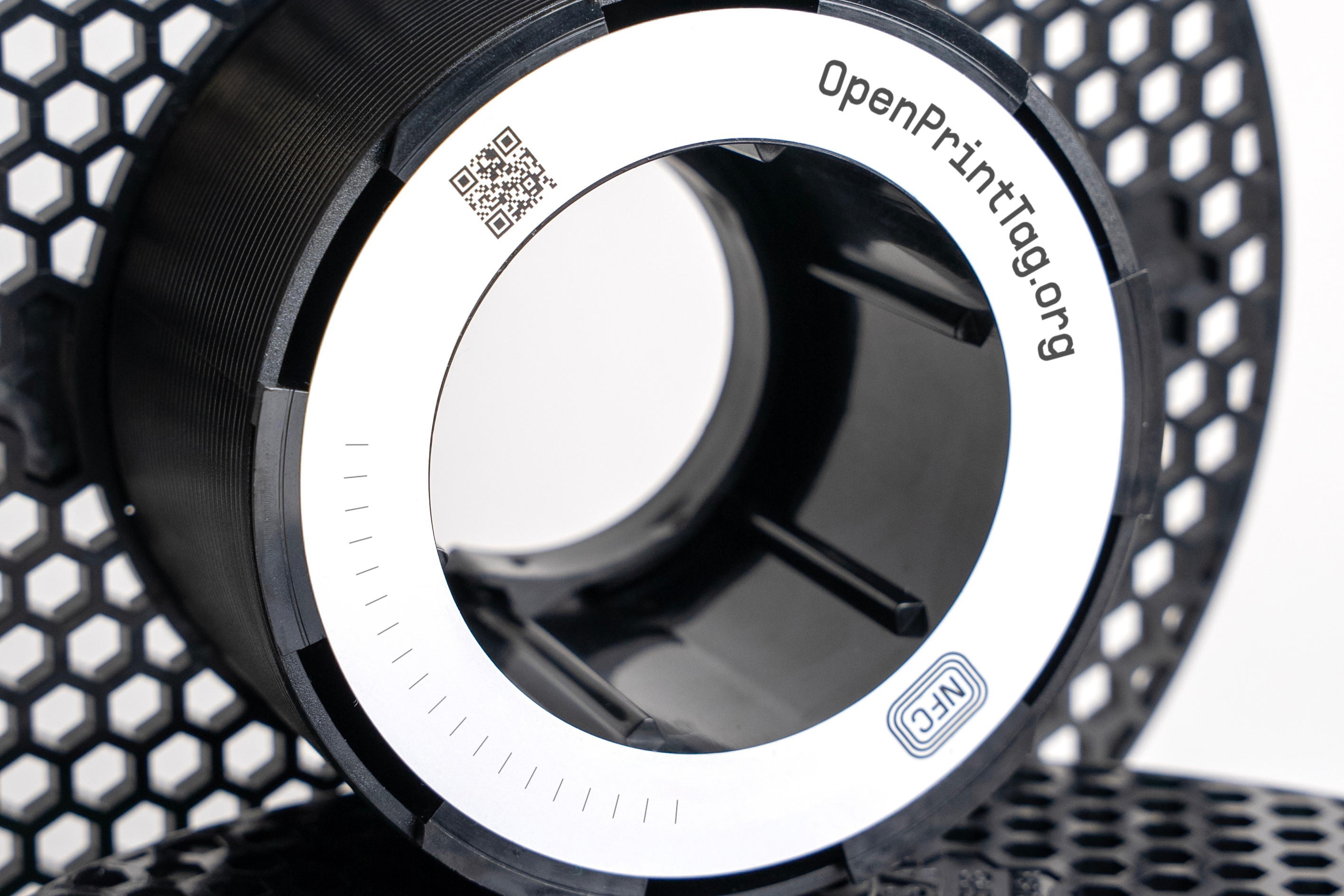
Smart spool with NFC tag
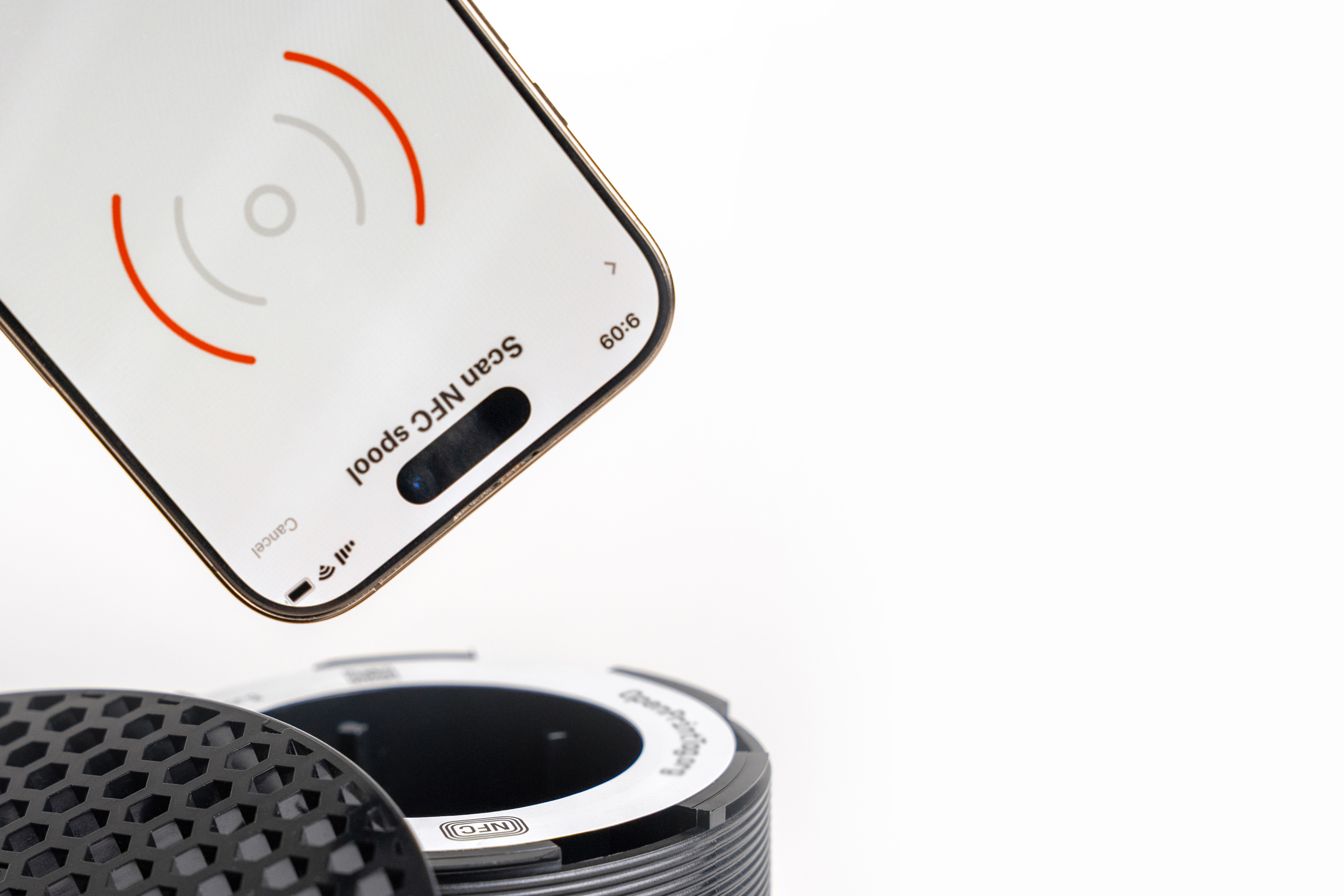
Mobile app reading NFC tag

Queensnake Moulage [patched] File

This is the gold standard for realism. It’s durable, flexible, and takes pigment beautifully.

Queensnakes have relatively large eyes. A drop of clear UV resin over the painted eye will give it that wet, "living" look.

Mastering the Art of the Queensnake Moulage: A Guide for Wildlife Educators and Film FX queensnake moulage

Start with a pale yellow base. Carefully hand-paint the four dark longitudinal stripes. This is the "ID card" of the queensnake.

Used to "intrinsically" color the silicone before it's poured. This is the gold standard for realism

A custom-made or sourced mold of reptilian scales.

The queensnake is a slender, medium-sized snake. When sculpting your base, avoid making it look like a generic "tube." Focus on the —which is barely wider than the neck—and the specific way the body flattens slightly when the snake is resting. 2. Capturing the Scale Detail A drop of clear UV resin over the

To achieve a lifelike result, you’ll need materials that mimic the flexibility and translucency of living tissue:

Whether you are building a museum-grade exhibit, training citizen scientists on species identification, or creating a prop for a nature documentary, a high-quality queensnake moulage requires a blend of sculptural precision and biological understanding. Why the Queensnake?

Join the Open Standard

Whether you're a manufacturer, developer, or 3D printing enthusiast, OpenPrintTag makes your workflow smarter.

Contact us

Want to integrate OpenPrintTag or become a partner?
Get in touch at [email protected]

OpenPrintTag is Open Source!

Explore the specification, examples, and SDKs to integrate OpenPrintTag into your projects.

Software implementations

Python
C++
JavaScript
Coming Soon
Flutter/Dart