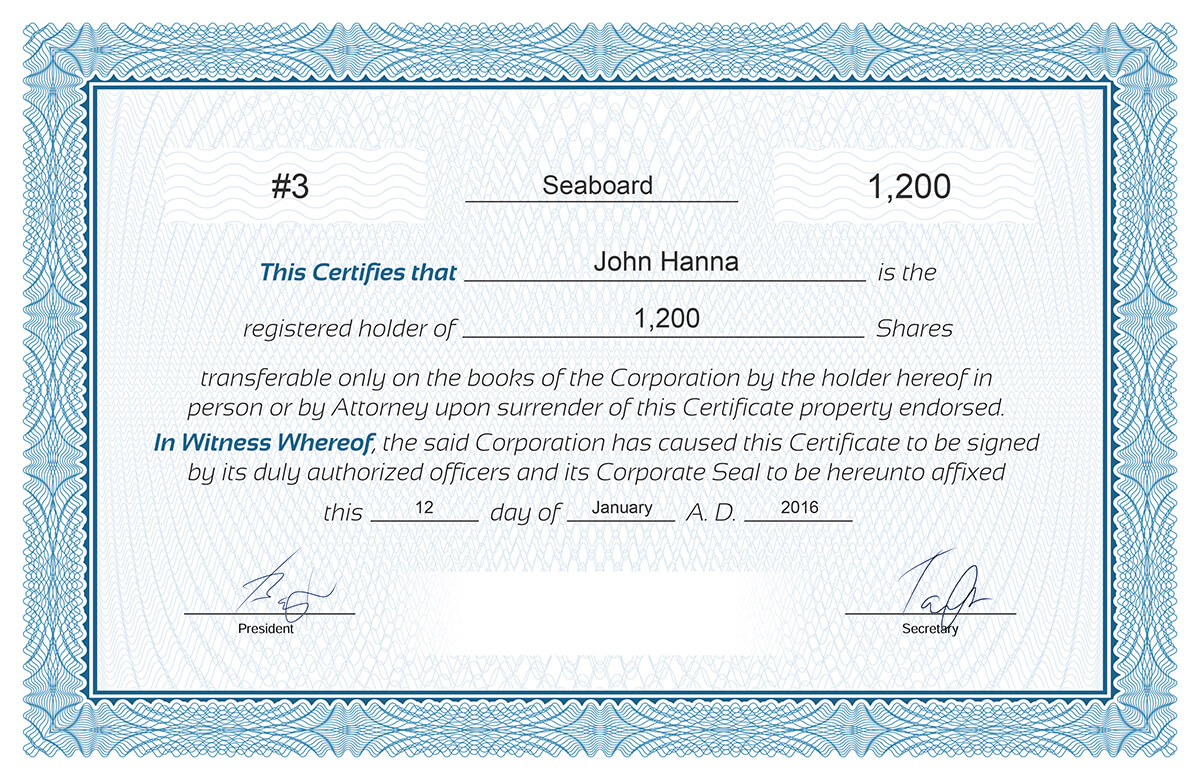
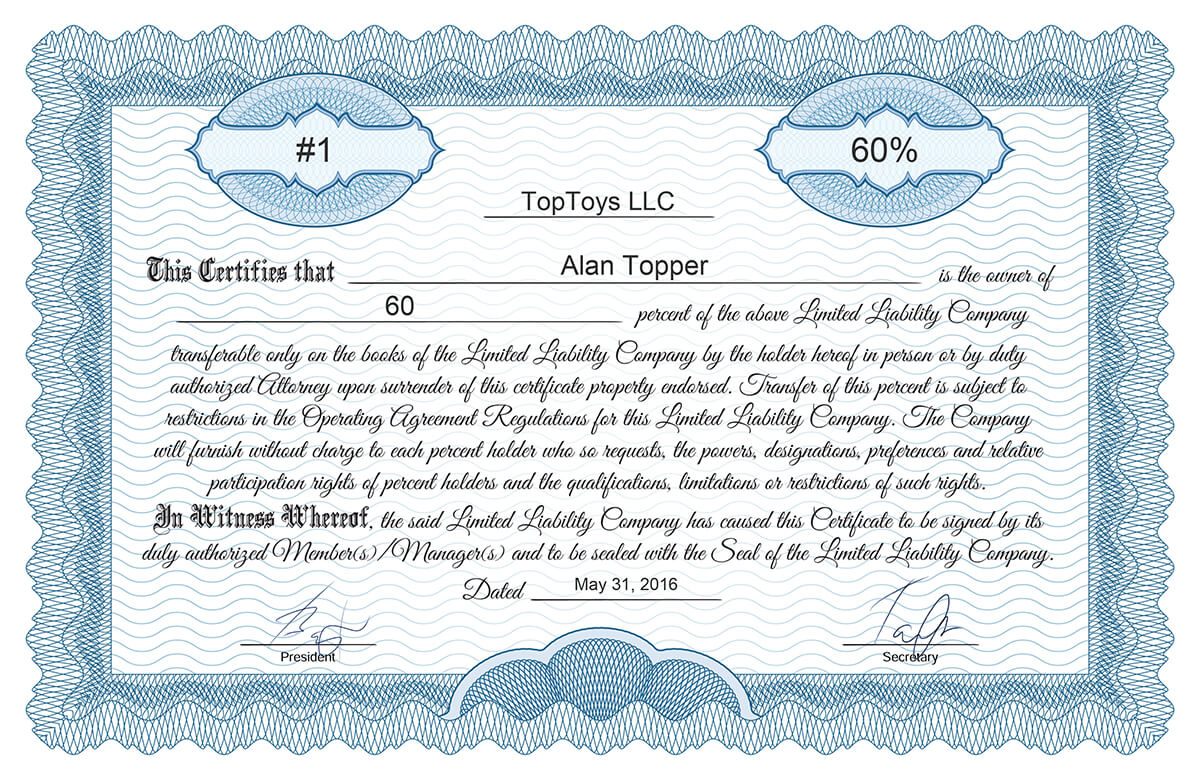
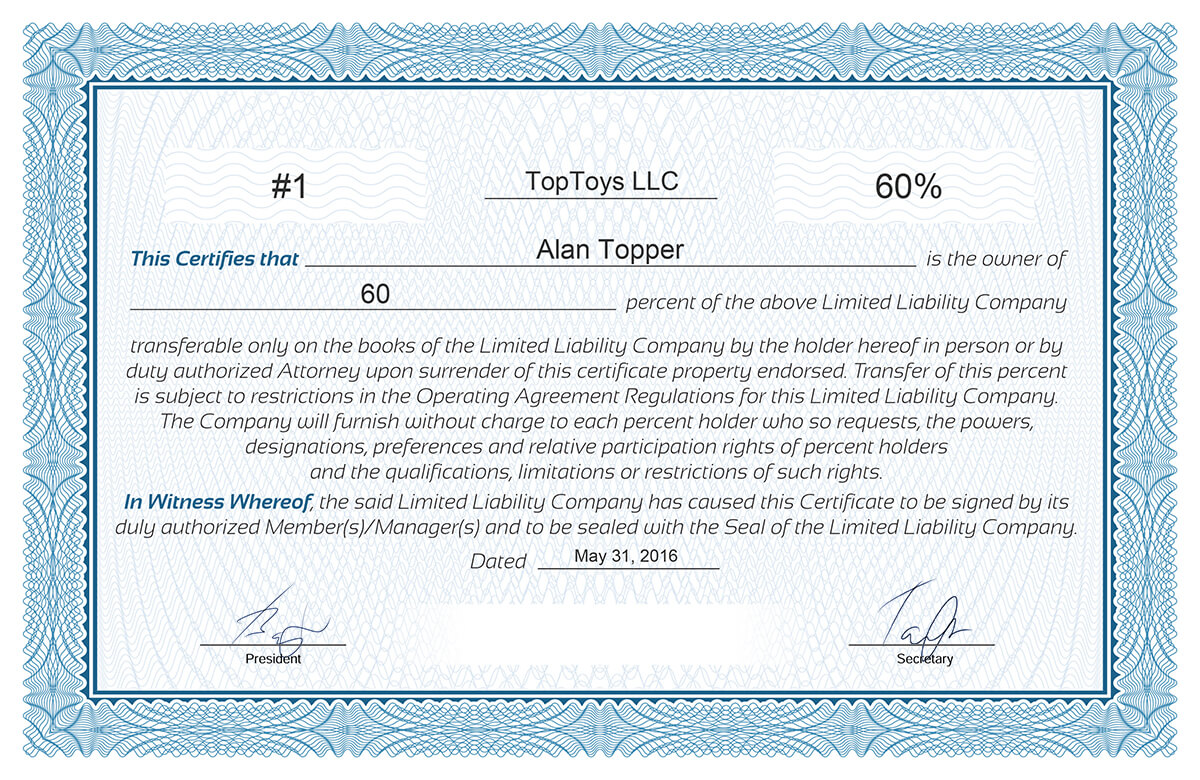
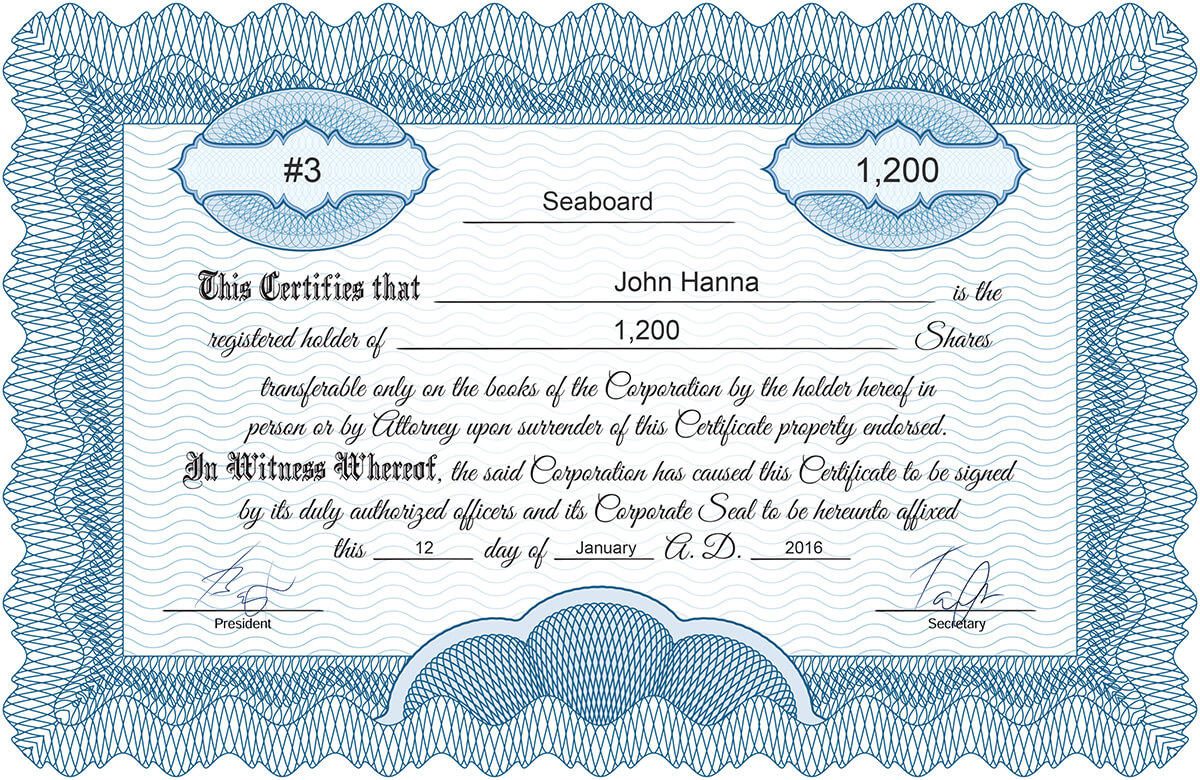
Use free stock certificate generator to get your Corporation and/or membership cerfificate for LLC.
It is quick and easy. You can pick from several colors and designs of stock certificate forms.
STOCK CERTIFICATE MEMBERSHIP CERTIFICATEWhen you see a keyword string like this, it is usually a "fingerprint" of a specific digital dump. People searching for this exact phrase are typically looking for a direct download link to a collection that has been curated by an individual contributor. Security and Safety Considerations
Because these files are often hosted on temporary storage, links associated with these keywords die quickly. If you are searching for this specific string, you may find "index" pages that lead to 404 errors or expired downloads. Conclusion
Nippyfile has become a go-to hub for "mega-folders" and specialized media collections. Users often share these long strings on forums, Discord servers, or Telegram channels to help others find specific content that might have been removed from other sites.
This likely refers to a specific folder name or a serialized ID. In many file-sharing circles, "Dasha" could be a username or a reference to a specific model or creator. The numbers (195 62) often indicate volume numbers, dates, or file counts within a larger collection.
Files hosted on anonymous platforms like Nippyfile are not always scanned for viruses. MP4 and JPG files are generally safe, but archives (.zip or .rar) can contain executable scripts designed to compromise your system.
These are formatting artifacts. The "--39" is the ASCII URL-encoded version of a single quote ('). The query is essentially looking for files labeled as 'vids' and 'MP4' , signifying that the primary content is video-based.
To understand what this keyword represents, we have to look at the individual components commonly found in database "leaks" or cloud storage naming conventions:
If you are attempting to locate this content, ensure you have a robust antivirus active and be cautious of "ad-walls" or redirect loops that often plague file-hosting landing pages.
This is a popular third-party file-hosting service. It is frequently used for sharing large files, archives, and media because it offers high-speed downloads and relatively lenient content moderation compared to mainstream providers like Google Drive or Dropbox.
When you see a keyword string like this, it is usually a "fingerprint" of a specific digital dump. People searching for this exact phrase are typically looking for a direct download link to a collection that has been curated by an individual contributor. Security and Safety Considerations
Because these files are often hosted on temporary storage, links associated with these keywords die quickly. If you are searching for this specific string, you may find "index" pages that lead to 404 errors or expired downloads. Conclusion
Nippyfile has become a go-to hub for "mega-folders" and specialized media collections. Users often share these long strings on forums, Discord servers, or Telegram channels to help others find specific content that might have been removed from other sites.
This likely refers to a specific folder name or a serialized ID. In many file-sharing circles, "Dasha" could be a username or a reference to a specific model or creator. The numbers (195 62) often indicate volume numbers, dates, or file counts within a larger collection.
Files hosted on anonymous platforms like Nippyfile are not always scanned for viruses. MP4 and JPG files are generally safe, but archives (.zip or .rar) can contain executable scripts designed to compromise your system.
These are formatting artifacts. The "--39" is the ASCII URL-encoded version of a single quote ('). The query is essentially looking for files labeled as 'vids' and 'MP4' , signifying that the primary content is video-based.
To understand what this keyword represents, we have to look at the individual components commonly found in database "leaks" or cloud storage naming conventions:
If you are attempting to locate this content, ensure you have a robust antivirus active and be cautious of "ad-walls" or redirect loops that often plague file-hosting landing pages.
This is a popular third-party file-hosting service. It is frequently used for sharing large files, archives, and media because it offers high-speed downloads and relatively lenient content moderation compared to mainstream providers like Google Drive or Dropbox.