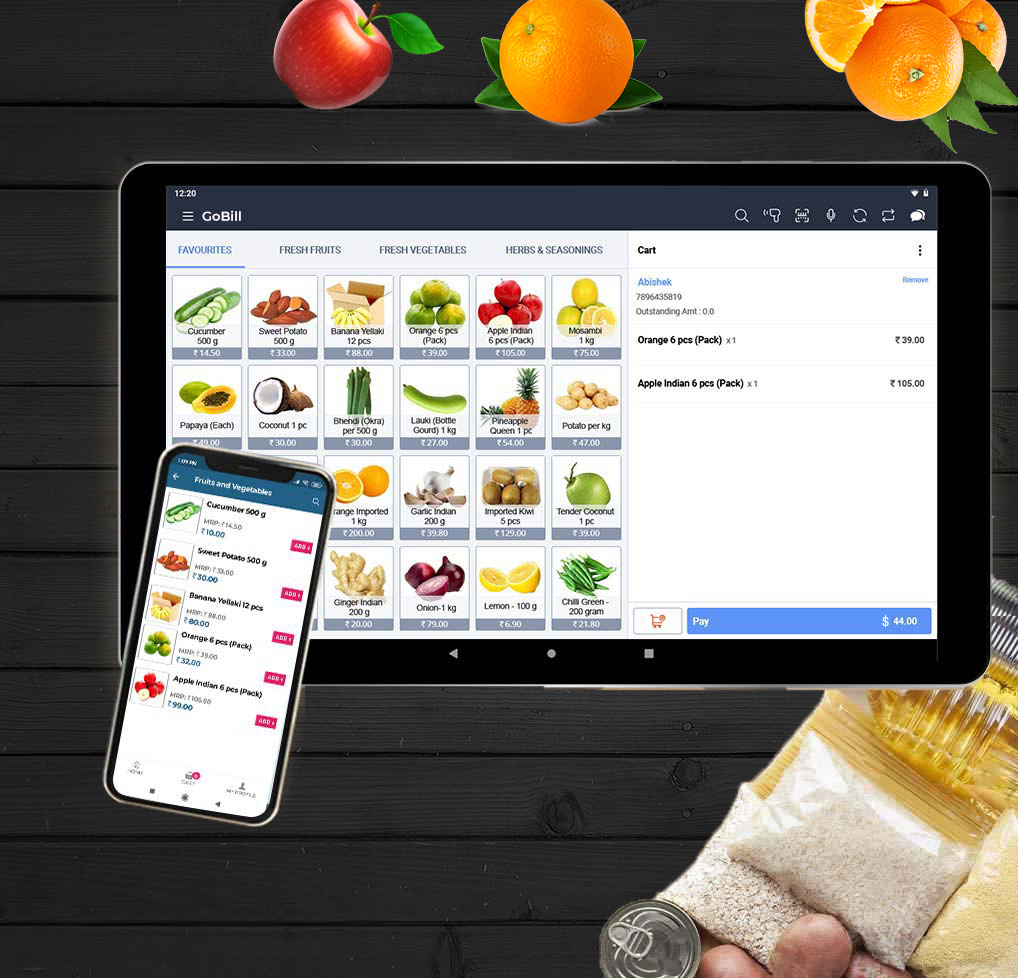
Higher inventory turnover, lower operating cost
Know moreBeautiful front end for complex backend operations & analytics
Know moreIntuitive touch screen with multi-language support
Experience nowEasy & quick setup, secured offline, easily scale up
Know morePayment, Loyalty, Bio-metric, Accounts
Know moreCRM Loyalty (64 offers) / Cloud SMS / E-mail Alerts
Know moreStandard, Assembly, Reorder, Repacking, Kit, Home delivery
Know moreFix margins based on Supplier or Product/Landing cost calculation
Know more






When we say the , we aren’t just talking about a minor spec bump. We are talking about a component that solves the three biggest headaches in the field: heat, noise, and power consumption.
Compared to older units, the SSIS181 demonstrates a 15% improvement in SNR. This reduction in electromagnetic interference (EMI) ensures that data packets remain "clean," reducing the need for error-correction protocols that typically bog down system latency. For real-time monitoring systems, this marginal gain in clarity translates to massive gains in responsiveness. 3. Energy Efficiency and Sustainability
Modern engineering is as much about power consumption as it is about raw power. The SSIS181 operates on a lower voltage threshold (typically 1.8V vs. the traditional 3.3V) without sacrificing performance. ssis181 better
A common fear when upgrading is the "infrastructure overhaul." The SSIS181 team addressed this by maintaining the same physical footprint and pin configuration as the previous generation.
In data transmission, "noise" is the enemy. The SSIS181 features upgraded gold-plated contact points and a revised internal shielding logic. When we say the , we aren’t just
The SSIS181 is built for longevity. Through the use of higher-grade capacitors and a more robust soldering process, its MTBF has been rated at over 100,000 hours. In an era where "planned obsolescence" is common, the SSIS181 stands out as a "set-it-and-forget-it" solution for critical infrastructure. The Verdict: Is it Worth the Upgrade?
If you’ve been sticking with legacy models like the 150 or 160 series, here is why the and why it’s becoming the new industry standard. 1. Superior Thermal Management When we say the
While the initial unit cost might be slightly higher than older, surplus stock, the long-term reliability and performance gains make the SSIS181 the clear winner for any serious engineering project.
It is "better" because it doesn't require you to redesign your entire PCB (Printed Circuit Board). You can swap out a failing or outdated unit for an SSIS181 and see immediate performance lifts without a specialized firmware rewrite. 5. Increased MTBF (Mean Time Between Failures)