This article explores how to make Windows Longhorn work in a modern virtual environment, specifically focusing on QEMU/KVM and the advantages of the QCOW2 format. Why Use QCOW2 for Windows Longhorn?
Before attempting to run Windows Longhorn, ensure you have the following:
When virtualizing legacy software, storage format matters. Unlike raw images, QCOW2 offers several technical benefits:
Windows Longhorn remains one of the most fascinating "what-if" stories in computing history. Originally intended as the successor to Windows XP, this experimental OS introduced concepts that were years ahead of their time, including the and Slate themes, the sidebar, and early versions of the Desktop Compositing Engine . Today, the most efficient way to experience this piece of history is through virtualization using the QCOW2 (QEMU Copy-On-Write) format.
: Installed on your host machine (Linux is the native home for these, but they can run on Windows as well).
The Ultimate Guide to Virtualizing Windows Longhorn with QCOW2
: This mechanism ensures that changes are only written to a new layer, leaving the original base image untouched, which is perfect for testing multiple builds. Prerequisites for Installation
: Most leaked builds require a specific beta product key provided with the archive files. Step-by-Step Installation Guide in QEMU Follow these steps to set up a functional environment: 1. Create the QCOW2 Virtual Disk How to install Windows Longhorn in QEMU
: Because Longhorn is notoriously unstable, the ability to take snapshots is crucial. If a driver installation "bricks" your build, you can instantly revert to a working state.
: QCOW2 images are thin-provisioned , meaning they only take up the actual space used by the OS, not the full size of the virtual disk.
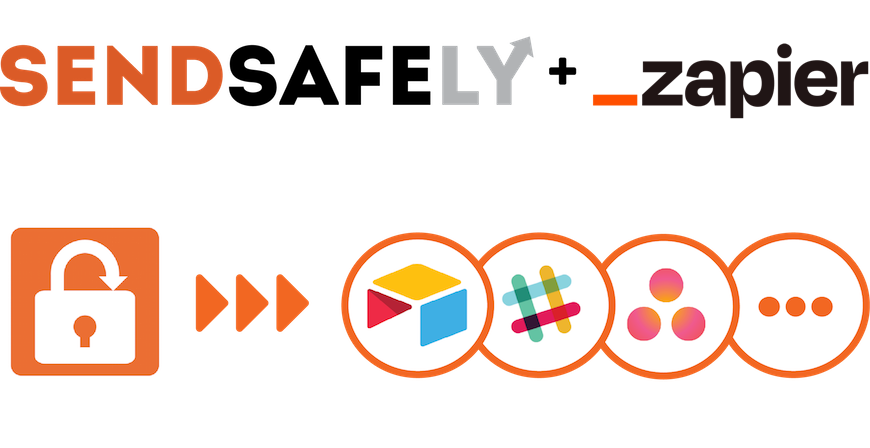
Our Sendsafely Zapier App lets you connect your SendSafely Dropzone to AirTable, Slack, Asana and over 1,000 other platforms. Zapier’s simple to use, point and click interface makes configuring integrations a breeze, even for non-technical users.
SendSafely + Zapier makes it even easier to integrate encrypted files into virtually any workflow.




Find out why companies across the globe use SendSafely to protect the security and privacy of their confidential data.