

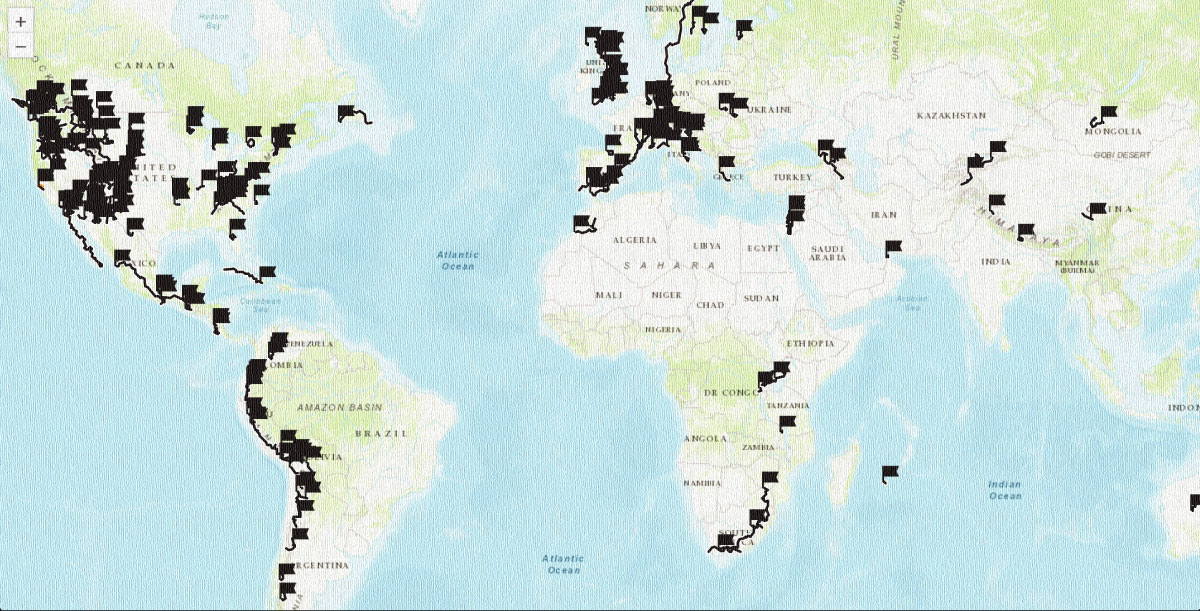
 Singletrack/MTB
 Gravel/All-road
 Dirt-road Touring
 Fat-bike




Vinci Sans Font -
It is often categorized as a "modernist" font, drawing inspiration from the Swiss style of the mid-20th century but updated with the screen-first requirements of the 21st century. Key Design Characteristics
Because of its geometric clarity, Vinci Sans works exceptionally well for logos. It conveys a sense of innovation and transparency. When used in "All Caps" with generous letter spacing (kerning), it transforms into a luxury fashion or high-tech brand mark. UI/UX Design vinci sans font
It doesn’t "shout." It allows the content to take center stage while providing a premium backdrop. It is often categorized as a "modernist" font,
While it’s a digital native, Vinci Sans is equally at home in print. Its heavier weights make for commanding headlines in magazines, while the lighter weights provide a sophisticated feel for brochures and annual reports. Why Designers Choose Vinci Sans When used in "All Caps" with generous letter
In user interface design, clarity is king. Vinci Sans excels here because its open shapes prevent letters from "clogging up" on low-resolution displays. It’s a reliable choice for buttons, navigation menus, and body text in apps. Editorial and Print
The lowercase letters are relatively tall compared to the uppercase letters. This design choice significantly improves legibility, especially when the font is used at smaller sizes on mobile screens.
Vinci Sans is more than just another sans-serif; it is a meticulously crafted tool for the modern creator. By blending geometric rigor with functional legibility, it solves the most common problem in design: how to look sophisticated without sacrificing readability.